
The Just In Time Inventory System
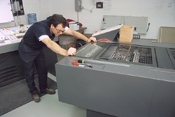
To a manufacturing plant there are several different areas that need your attention. From cost cutting methods to inventory control, you need to understand all of the various aspects of your organization that need your time and attention. One of the areas that you have to focus on is the inventory and to properly control your inventory. Using the Just In Time inventory system is a great way to manage costs but also to ensure you are not going to allow your inventory to get out of control. Warehousing your inventory can be a huge cost and one that you can easily rid yourself of with the right type of system in place. There are other costs that impact your inventory like the wages you need to pay in order to manage your inventory along with the utility costs for the facility.
Controlling Your Inventory

There are a number of things that you need to manage in order to have a strong organization. Your inventory is one of the places that you need to properly control in order to have a strong company. Many manufacturing plants make the mistake of having too many inventory items on stock. Keeping a high inventory is risky as it ties up your cash flow and you aren't certain when the inventory items will be sold. Depending upon the items that you sell, they can start to lose their value and you will not be able to acquire the full value from these products.
Better Inventory Management
Managing your inventory can be one of the most challenging aspects of running a good manufacturing plant. Inventory overhead can be quite costly to your organization as they often lead to problems with cash flow. When you invest a lot of money into the inventory, you have less money available to pay for other things that your company needs. You also have the dilemma of trying to predict when these products will be sold. A number of organizations also find it hard to deal with inventory overhead as you end up spending a great deal of money on marketing expenses as well to try and drive up your sales. You need to have control over your inventory if you are going to have a proper balance of your organization.
The Pros And Cons To Just In Time Inventory

Are you looking for a new way to manage your inventory? Just in time inventory is one of the most popular programs used to manage your inventory and to provide your customers with products in a timely manner. How much are you paying to order your inventory supplies and how much are you paying to carry the inventory items until your customers purchase them? These costs are things that need to be considered when you are focused on keeping your costs lower so you don't end up dealing with negative cash flow concerns and other things.
The Methods Of Inventory Valuation

As you focus on evaluating your inventory it is important to look at the system that you have in place and to figure out what is working and what isn't working. Inventory is something we all need to have in order to keep up with customer sales but it is vital that you look for different ways in which you manage inventory so it doesn't become an expensive overhead cost for the company but it still provides you with enough to have supplies that can be shipped out to your customers if they place an order.
Why inventory control in manufacturing is so important
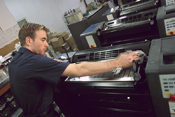
If you are the owner of a manufacturing company it is critical that you have a tight rein on your inventory. Lack of inventory control is not only a form of waste but allows the cash reserves that are necessary to run the manufacturing business to sit idly by doing nothing. It is crucial that this form of waste is eliminated wherever possible. Successful manufacturing companies are built on the fact that waste threatens the productivity of the production process and drives up the costs so it must be avoided wherever possible. This is why inventory control in manufacturing is so important-
The importance of inventory control in manufacturing
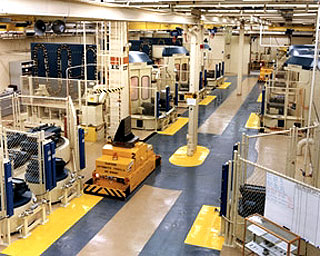
One of the largest problems that any manufacturing company may come up against is the lack of inventory control. When the inventory of a manufacturing company is not being controlled it is a form of waste. Waste is what threatens the productivity of any manufacturer and raises the cost of any making any type of product. Waste also means that producing a product will take more time and energy, and may be harder on the environment then it should be. Because of the impact of waste all types should be controlled and this is especially important when it comes to inventory control.
What is inventory valuation?

There are many overhead expenses you may have heard about or ones that you are already aware of but when you allow them to spiral out of control, it can seriously jeopardize your business and your ability to save money and put it back into the company for other needs. Understanding what these wastes are will allow you to start saving money. One of the biggest wastes a company can have is inventory. Keeping a small stock on hand is the best way to have products ready for the customers when they need them and will allow you to avoid dealing with products that take up a ton of wasted space and start losing value as they sit on the shelves for too long. To help you understand more about your inventory and how you can control its costs, continue reading along.
A hidden manufacturing waste you may not know about

There are various lean manufacturing processes you can use to try and eliminate wastes from the organization and make it effective. Lean Six Sigma has become a popular option as it focuses on reducing waste but also improving efficiency. When you are working with lean manufacturing it's common to hear about the 7 wastes. These wastes must be eliminated from your organization in order for you to produce better products and provide better service to your customers.
Inventory Control in Manufacturing
 One of the biggest threats to any business is waste. This is especially true in the manufacturing business.Waste creates large problems for the production process, and it results in higher costs to both customer and the manufacturer. It also takes more time and energy, and it tends to be hard on the environment. Coupled with the problem of waste for many manufacturers is inventory control. Problems with inventory can be fatal for a business, and especially a manufacturer. Inventory control becomes a huge issue when you don't have the right item for your customer when they come to claim it. Ultimately, if this continues to happen you start to loose customers in this situation. Also, if you were to order far too many of a particular item, than you normally sell you would invariably a large amount of money. Having either too much or too little, when it comes to inventory could completely destroy your business. The key to success for any manufacturing business is to exercise some inventory control. Businesses need to learn how to order and maintain their inventories, so that they are adequate to the business's needs, but never too large. Inventories also need to change with changing demands. If a product becomes suddenly more popular than others, your business needs to order more, and know how many to order.
Inventory control help
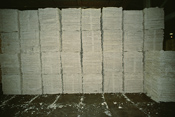 Managing your inventory is important to the overall cash flow and financial health of your company. One of the biggest mistakes almost every company makes is buying too much inventory. Holding a lot of inventory will tie up your cash reserves and it can lead to problems for your company as you won't end up making back the value of the products when you go to sell them. The problem is leaving the products in inventory causes problems because they continue to lose their value until they are eventually sold.
How six sigma can help solve inventory problems
 If you have a large amount of your money tied up in your inventory, and are losing money because it is depreciating quickly, or just not moving fast enough, six sigma can help. The longer an inventory sits, the more money you lose. One way to combat the problem of lost money is through implementing a six sigma project. Six sigma projects help address the problems, and alleviate it, streamlining things, and helping you, your employees, and your business be more efficient and profitable.
Lean manufacturing: boost productivity and save money
 Ready to go lean? A number of companies have retooled the way they do business and they have implemented an approach known as lean manufacturing. Lean manufacturing consists of improving productivity, decreasing wastes, and strengthening your revenue. In addition to all of these great features you can also expect to receive increased customer service for your ability to change to a lean manufacturing environment.
Rapid manufacturing
Rapid manufacturing is a type of manufacturing that can help speed up the manufacturing process. Manufacturers who use rapid manufacturing can create custom products quickly. This can help the manufacturer keep up with its competitors. This article discusses more about rapid manufacturing.
Just in time
Just-in-time is used to improve the return on investment (ROI) for a business by reducing the amount of inventory you carry. Inventory is essentially wasted money because it is sitting on a shelf and you are waiting for customers to purchase it. Practically every company must keep some inventory on stock if they are going to keep up with customer demands however there are numerous companies that purchase too much inventory and this is considered a waste.
Just-in-time is driven by the lean manufacturing process known as Kanban. Kanban is designed to create visual notifications when inventory levels are low and need replenishing.
Kanban uses "tickets" to notify the absence of inventory. Have you ever gone to a store and there was a sign saying a certain product was out of stock? Normally there is a small ticket you can take to the cash register to purchase the item and have it shipped to you when it comes back in stock (this is standard procedure for furniture stores). This helps companies to keep only enough stock on hand to meet their customer's demands. Holding too much inventory can dry up your cash flow and literally ruin your company.
Inventory control

One of the biggest threats to any business is waste. Waste creates problems for the production process and it results in highers costs to both customer and producer. It takes more time and energy, and it tends to be hard on the environment. A related issue for many businesses is inventory control. Problems with inventory can be the death of a busienss. Imagine ordering a particular item and then not having it for the customer when they come to claim it. Ultimately you would start to loose customers in this situation. Also, if you were to order far too many of a particular item than you normally sell you would invariably end up loosing thousands of dollars. Having either too much or to little when it comes to inventory could completely destroy your business. The key for any business is to exercise some inventory control. Businesses need to learn how to order and maintain their inventories so that they are adequate to the business's needs but never too large. Inventories also need to change with changing demands. If a product becomes suddenly more popular than others your business needs to order more and know how many to order.
Inventory replenishment

Having a properly controlled inventory will help companies locate products easier, speed up fulfillment times, and reduce their operation costs. Inventory is one of the largest factors of the consumer supply chain. Companies that have a controlled inventory are less likely to go over budget on production costs. Some companies will order excess inventory to compensate for a breakdown in communication. This can be from a miscalculation by marketing and sales, exaggerated sales revenue for a set time period, or improper control of the supply chain.
Inventory replenishment is defined as "relocation of material from a warehouse or bulk storage area to an order pick-up or shipment area." The relocation of the material needs to be documented. Some of the most important factors of inventory replenishment are lead time, order quantity, and the replenishment intervals.
Continue reading "Inventory replenishment"How to track your inventory
n the past, companies used paper spreadsheets to track their inventory. Now, electronic spreadsheets and online computer programs have taken the place of the old system. Companies using online programs are able to access their inventory from any computer in the world and look at their inventory stock levels, ordered products, and order history. Like knowing your cash-flow situation, tracking your inventory is one of the best things you can do to run a successful company.
Building up a good inventory can be a good thing, and it can be a bad thing. Having a large inventory is great during busy times when you need to fulfill numerous orders. Having a large inventory can cause your company to lose money during slow times. The longer the items sit in inventory, the more they depreciate in value and become a liability to your company. Being able to track your inventory can help your business understand how long it will take to sell the products and if the consumer demand is slowing down. Having a good inventory tracking method can also help you decide if you have too much money sitting on the shelves that could be used for other investments.
Continue reading "How to track your inventory"A look at what work in progress inventories mean to manufacturing
 There are so many different vocabulary words that can be used when it comes to manufacturing. For example there is what you call six sigma, lean manufacturing and even work in progress inventories. Depending on what type of manufacturing you are doing will depend on what type of vocabulary you will be using. If you are using lean manufacturing then chances are you have heard of work in progress inventories. If you have not here is a look at what work in progress inventories mean to manufacturing.
Systems for keeping track of inventory
One of the most important aspect of any company's operations is keeping track of inventory.It may seem like a pretty obvious point, but you would be surprised to find out how many people don't have any idea what they have in their inventory, what they need to complete their inventory, and how they move through their inventory as customers purchase products and services.In order to run a successful business and have successful operations, you absolutely must have a concrete and efficient system for keeping track of your inventory.