How 5S Can Help With Safety And Production
Are you looking for new ways to ensure your manufacturing plant will be safe and maintained properly? There are many different ways in which you can focus your efforts on helping the company to be safe and to increase production. One of the great methods used in reducing defects and improving the safety and production of your company is the 5 S Method. 5S has been around for many years and can be adapted to just about any company. Here are the different things that the 5S method will be able to do:
Valuing Your Employees' Safety Should Be Priority #1
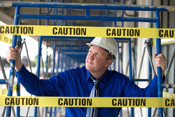
Valuing your employees' safety should be the number one priority of every business.The reasons behind valuing employee safety range from the mundane concerns about lawsuits, productivity and insurance premiums to the more humanitarian idea that employees are people and as such deserve the respect and treatment that does a soul good.Empathy is a great quality to practice even when it negatively affects the bottom line.
Companies Can Use Visual Reminders To Improve Safety
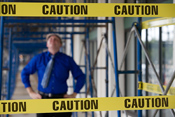
Visual reminders to improve safety can include everything from posters and count boards to videos and books.These visual reminders are important for those times in between when safety can be covered in a formal meeting and for during a formal meeting.The only thing is that management must use visual reminders in a smart way that does not make employees feel like they are being talked down to or like the company is wasting money on unneeded things.
Proper Safety Training Help
Every manufacturing plant will have it's own set of risks and proper safety precautions need to be made. It is important that your staff undergoes safety training in order to be aware of the risks and to know what to do. Your organization is required by law to provide employees with the right safety equipment like protective clothing and other things that will be able to give them adequate protection against the risks that they face.
Safety in manufacturing

Because of the very nature of manufacturing, managers of this type of business are always looking for ways to improve safety. Safety in the workplace should always be a high priority. The bottom line is that having accidents on the job, can lead to a loss in productivity, and can cost the company a lot of money. It can also have a huge effect on how your employees perform their work. This is because if they do not feel as if they are in a safe environment, they will not perform to their best potential.
How to ensure quality control

When you are producing products or outsourcing your products to another company, you need to make sure there is a high level of quality control. Quality control simply means you will set a standard for where your products need to be at and then strive hard to meet those expectations. When quality control is not implemented within a plant, it can lead to manufacturing defects and other problems. Product recalls are incredibly expensive for your business and could damage your company's reputation for life. Quality control helps you avoid expensive lawsuits and other things by taking steps to prevent problems and eliminate them before they become a burden and a waste on your company.
What you can do to make your plant safer and better for everyone
 Safety is a big part of manufacturing as you want to focus on making your facility safe for everyone involved at the facility. The heavy equipment you use can be incredibly dangerous for your employees as the moving parts and other things can cause severe injuries to occur. Keeping your employees safe is important for your company to remain in business and to keep your company's reputation higher. If you don't focus on keeping your employees safe, it can lead to a number of issues besides just lawsuits.
How to make your manufacturing environment safer
 Improving the safety of your manufacturing environment is a great way to reduce overhead expenses and to make sure your employees aren't getting injured on the job. You want them to stay safe as it helps to reduce your risk of issues like lawsuits and severe workplace injuries that could cause lifelong damages to your employees. So what can you do to make your manufacturing environment safer for your employees? Here are some simple safety tips you can follow in order to keep everyone safe and protected.
How to make your manufacturing business safer
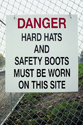 Manufacturing businesses carry an inherent risk. Manufacturing can be a dangerous operation with heavy machinery, lots of moving parts, and other factors that make it easy to get injured while on the job. This is bad not only for the employee who is injured, but can result in lawsuits and hefty fines for the company. Management of manufacturing firms must be vigilant and make safety their top priority. Ensuring safety in the workplace is a manager's responsibility, and when it is done correctly everyone benefits. Here is what you need to know about how to make your manufacturing business safer-
Safety regulations you need to focus on in the workplace
 There are several industries where a number of workplace accidents commonly happen. Are you part of one of those industries? What can you do to ensure the safety of your employees? Here are the 4 industries that are prone to workplace accidents:
Implementing behavior-based safety or a program to reduce accidents
 Safety in the workplace should always be a high priority. Having accidents on the job can lead to a loss in productivity and can cost the company a lot of money. It can also have an effect on how your employees perform their work. If they do not feel as if they are in a safe environment, they will not perform to their best potential.
Regulations that are put in place by OSHA
 In manufacturing OSHA is one of the federal agencies that are involved in determining the regulations that manufacturing business must follow. The majority of regulations that OSHA devises are regulations that are designed to protect the employees in the workplace. OSHA also institutes regulations that are designed to tell employees and their managers what should be done in certain situations.
Manufacturing standards of testing and materials
 Manufacturing standards are put in place to ensure that a certain job is done right every time.The consumer benefits from manufacturing standards because they are able to evaluate their product consumption options on a level playing field.With standardization, consumers are safe to assume that the manufacturers have kept the consumer's best interest in mind.The consumer can rest assured that their safety is being looked after and that there is not going to be a product put on the market that is not fit to be sold.Manufacturers definitely see the value in putting a product on the market that they can say meets certain standards.But understanding what it means to meet certain standards can be a challenge in and of itself.
Manufacturing standards for today
 Manufacturing is an essential part of the economy and these types of businesses contribute a great deal to the way we live behind the scenes to most people.There are many complexities about manufacturing that many people will never understand, but having a better knowledge about the standards the manufacturing world adheres to can help you understand more about the industry in general.
Making your manufacturing plant safer
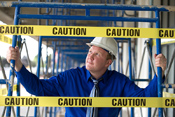 Manufacturing can be a dangerous profession. Heavy machinery, lots of moving parts, and other factors make it easy to get injured while on the job. This is bad not only for the employee who was injured, but can result in lawsuits and hefty fines for the company.
As a manager, safety should be one of your top priorities. Ensuring safety in the workplace is a manager's responsibility.
Continue reading "Making your manufacturing plant safer"Identifying hazardous waste
 As a manufacturer, you should already be aware of the fact that you must dispose of your hazardous waste in a proper manner. If you fail to properly dispose of any hazardous waste, your manufacturing business can be fined a large amount of money. Getting g rid of hazardous waste properly is important because of the harmful effects that hazardous waste has on the environment and some of it can be harmful to people's health.
Training your employees to avoid safety concerns
In manufacturing, your business is going to suffer from some accidents in the work place. The thing about most work related accidents is that many of them can be avoided. You can avoid many work related accidents by improving your safety program or just by implementing a safety program and following through with it. Even if you have a safety program in place for work, there are still many improvements that you can make to the program, which will help decrease the number of work related accidents you are facing.
One of the biggest concerns that manufacturing businesses need to address is machinery safety. The reason for this is that most of the work related accidents in a manufacturing plant are caused by the machinery that employees are working with. What happens with the machinery is that people tend to get comfortable around the machinery because they have been working with it for so long. When they get comfortable, they tend to not pay close attention to what is going on. Another reason that so many accidents happen at manufacturing plants is that the work area is not very clean or organized, it is cluttered, and when the work area is cluttered, you have less space to perform your duties so you increase your chances of having an accident.
Tips on making your manufacturing environment safer
No matter where what industry you work in accidents are going to happen at work. Some industries, such as manufacturing tend to be more prone to work related accidents because of the type of work that is done in manufacturing. In the manufacturing industry, people are working with machines and tools on a daily basis, which increases the chances of accidents, especially if the machines and tools are not being used properly.
One of the best things that you can do to help make your manufacturing environment safer is to implement a safety program or to enforce the safety program that is already in place. If you currently have a safety program in place, there are numerous things that you can do to improve the program. Here are some tips that you can follow to make your manufacturing environment safer for you and your employees.
Safety measures for manufacturing
The manufacturing business can often face more serious accidents in the workplace than a retail store. The main reason for this is the type of work that is done in a manufacturing plant compared to other industries. In the manufacturing industry, more people are working with machines than in other industries. The more people are working with machines the higher the chances of a serious accident occurring with the machines.
One of the best things that you can to help prevent these types of manufacturing accidents in the workplace is to take certain safety precautions. By utilizing safety measures, you can reduce the number of accidents that occur in the workplace, which is a great bonus for the company. When it comes to installing safety measures there are some things that you can do daily to help improve safety and there are other things that can be done on a rotating basis. These are similar to a follow-up on the daily measures you put in place.
Handling spills and accidents in manufacturing
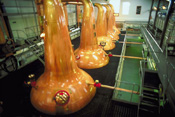
Working in manufacturing, you are going to have to deal with spills and accidents in the workplace. The biggest thing about work related accidents is that most of them can be avoided. To avoid most of the accidents your manufacturing plant would need to improve their safety program or they would need to implement a safety program and follow through with it.
In most cases, safety programs are ignored because of how easy they are to ignore. Many employees do not think that the rules apply to them or that the rules are goofy so they won't follow them. For example, wearing safety glasses on the job, some employees will refuse to wear them because safety glasses make them look funny or because they think that, the job isn't dangerous to their eyes. Employees find these rules easy to ignore because many times managers do not follow through with enforcing the rules. If management is not enforcing the rules, there is no way you can expect employees to follow them. Employees have to know that there are going to be consequences for not following proper safety procedures.
Safety guidelines
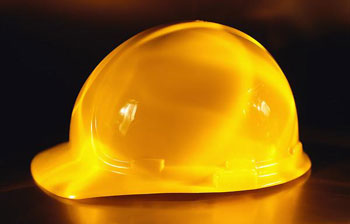
Manufacturing is one of the foundations of our economy. It provides us with many of the products that make our modern lifestyle possible. Without manufacturing we would lack the conveniences that help us to live productive and relaxing lives. However, manufacturing is also extremely dangerous. There are literally thousands of manufacturing accidents every year, and with some deaths. Many people are permanently maimed or left disabled by manufacturing accidents. The terrible thing is that most of these accidents could be avoided with some basic safety guidelines. Many employees in manufacturing have not been properly instructed in safety guidelines. While operating heavy machinery even the most minor loss of focus could lead to a serious accident. When workers are spending all day operating heavy machinery there is a good chance that they will have an accident if not properly instructed. The machines of today's manufacturers are actually much safer than machines of the past but they still have serious dangers. They still have many moving parts and sharp surfaces. They can crush, cut, or maim a worker in seconds. If you fear for the safety of your workers in a manufacturing context you need to follow these safety guidelines:
Avoiding in the plant injury
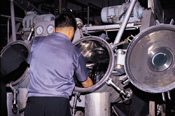
It is always when you least expect it that an injury happens at work.You know the rules, you have the safety material, but the one time you think that you can work without it, something happens.This is a story that is all too familiar.People forget about just how dangerous certain work environments are and they get lazy.There are also times when it not the absence of such safety precautions that lead to injury, rather it is carelessness and passive thinking that end up sending hundreds of thousands of workers to the doctor or hospital.
The world of manufacturing is no stranger to injury and even work related fatalities.It is a more dangerous than average job simply because of the number of machines and industrial materials that exist in the manufacturing environment.There are several very basic safety precautions that any manufacturing plant employee would do well to remember.Below are a few important aspects of manufacturing plant safety that you can remember to help you in avoiding an in the plant injury:
Continue reading "Avoiding in the plant injury"Safety concerns in manufacturing, and how to train your employees to avoid them

When you work at a manufacturing plant accidents can and will happen at work. But the thing about work related accidents is that many of them can be avoided all together if you were to improve your safety program or if you were to implement a safety program and follow through with it. All too often safety rules and regulations are not followed because they are too easy to ignore, employees tend to think that the rules don't apply to them so they won't wear safety glasses or hard hats. And the sad thing is that many managers don't enforce the safety rules and regulations so the employees don't think that they are wrong. Even if you have a safety program that your manufacturing plant follows you can still find numerous ways to improve the safety program, which in turn can help you to reduce the number of work related injuries that you have.
How to handle spills and accidents in manufacturing
Whether you work in an office or at a manufacturing plant accidents can and will happen at work. But the thing about work related accidents is that many of them can be avoided all together if you were to improve your safety program or if you were to implement a safety program and follow through with it. All too often safety rules and regulations are not followed because they are too easy to ignore, employees tend to think that the rules don't apply to them so they won't wear safety glasses or hard hats. And the sad thing is that many managers don't enforce the safety rules and regulations so the employees don't think that they are wrong. But regardless of what kind of safety program you have at work you are still going to need to learn how to handle spills and accidents that can happen at your plant.
Difficulty rating: Easy to moderate
Continue reading "How to handle spills and accidents in manufacturing"Workers Comp Insurance for manufacturers
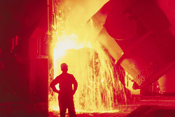
Workers Comp Insurance is a must-have for manufacturers. Workers Comp Insurance will give workers security by offering them compensation if they are injured on the job. Workers Comp Insurance also covers any diseases that were obtained while working for the company. If the employee accepts the Workers Comp Insurance, they are agreeing not to sue their employer for any damages. For manufacturing employers, having Workers Comp Insurance will protect them from costly lawsuits and paying for the benefits of the injured workers. Each state has different regulations about Workers Comp Insurance, but it is mandatory for most employers.
The insurance premiums will be based on your payroll. Depending upon how many employees you retain throughout the year, the premium costs will fluctuate. They will increase if you have an employee that claims Workers Comp Insurance due to a work-related injury at your facility. If you do not accurately report information about your company, you can be fined $5,000 for not complying with the regulations. You can also be audited by the insurance company and if they find you are not accurately reporting your payroll, you can have increased premiums and a penalty.
Continue reading "Workers Comp Insurance for manufacturers"Using air testing equipment

Having clean air is an important goal for manufacturing companies. With all the health complications that have been linked to asbestos, mold, and emissions, it is more important than ever for manufacturing firms to use air testing equipment. Air testing equipment will show manufacturing plants the pollutants they are emitting. The environmental protection agency (EPA) has placed new restrictions on manufacturing companies and the pollutants they emit.
Different pollutants have different effects on the air quality. Some pollutants will harm humans while others will damage plants. Air testing equipment can help manufacturing companies determine if they are emitting too much of a certain type of pollutant which could cause long-term health effects.
Continue reading "Using air testing equipment"Risk management plans for your manufacturing plant

If you do not know what risk management is, it is the process used to identify, analyze, and respond to project risk. Risk management includes increasing the chances and consequences of positive events and decreasing the chances and consequences of negative events that can affect the projects outcome.
Here are the sections that should be included in every risk management plan.
Continue reading "Risk management plans for your manufacturing plant"Manufacturing health regulations set by Occupational Safety and Health

The Occupational Safety and Health Administration, also called OSHA, is a governmental agency that gives guidelines for companies to follow so that they can provide their employees with a safe and healthy work environment. OSHA puts numerous guidelines into place for the manufacturing industry and these regulations can change, not to mention that they are constantly being updated. As a responsible business owner, it will be up to you to look at every regulation that OSHA has put into place for your industry.
Keep in mind that when OSHA sets regulations for the manufacturing industry they are also setting regulations for the different manufacturing business. For example, OSHA will have one set of regulations for paper manufacturers and there are other regulations for food manufacturers. Moreover, while OSHA will have separate regulations for specific manufacturing divisions there are some general regulations that OSHA has put in place for all manufacturing businesses.
Continue reading "Manufacturing health regulations set by Occupational Safety and Health"Insurance needed for manufacturing plants
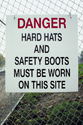
Finding the right type of insurance for manufacturing plants can be tricky for several companies. Insurance not only needs to fit the needs of the employer, but it needs to provide a benefit to the staff members as well. Having insurance is necessary if you are going to stay in business. The insurance not only helps the plant run smoothly, but it also lures in potential employees. There are several types of insurance available for manufacturing plants; here are some of the most common:
Commercial Liability Insurance
Commercial liability insurance will pay for the damages that were caused while an employee was on-site. Commercial liability insurance will also pay for any legal defense needed for claims. If your manufacturing plant does not have commercial liability insurance, your facility will be responsible for any damages. Commercial liability insurance does come with some packaged deals that can save your company money. Usually commercial liability insurance comes with properly and general liability insurance. They will cover the liability needs of the facility.
Staying safe when working in a manufacturing profession.

Manufacturing can be a dangerous profession. Heavy machinery, a number of moving parts, and other factors such make it easy to get injured while on the job.
The following are some safety tips for manufacturing that can help keep everyone safe while at work.
Clearly post dangers and precautions that should be taken.
All manufacturing plants should have safety precautions posted. These posters include such things as what clothing and gear, such as gloves, helmets, or goggles, are required in specific areas. Signs should also be posted indicating who is allowed in certain sites and who is not.
Continue reading "Staying safe when working in a manufacturing profession."Making your work environment safe for everyone
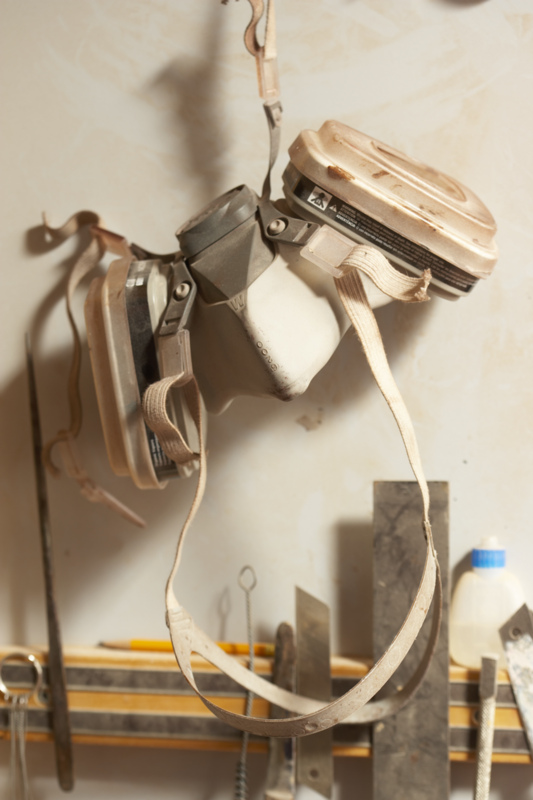
Manufacturing can be a dangerous profession. Heavy machinery, lots of moving parts, and other factors make it easy to get injured while on the job.
The following are some safety tips for manufacturing that can help keep everyone safe while at work.
Clearly post dangers and precautions that should be taken.
All manufacturing plants should have safety precautions posted. These posters include such things as what clothing and gear, such as gloves, helmets, or goggles, are required in specific areas. Signs should also be posted indicating who is allowed in certain sites and who is not.
Safety glasses are more than just an OSHA requirement - they're a Good idea.
Wearing safety glasses is more than just an OSHA requirement, it is a good idea.OSHA or Occupational Safety and Health Administration monitor safety in the workplace.They also provide the safety regulations that keep employees safe and you as the employer safe from liability issues.
The law says you must wear safety glasses if you work in conditions where an injury could occur.Remember, if you lose your vision, you could still lose your job.You only have two eyes.Additionally, even if you are able to save your eyes, eye injuries are very painful.
Eye injuries are caused by a variety of occurrences.Most people think of hitting their eye when they think of an eye injury.However, dust and other flying particles, such as metal shavings or sawdust can easily injure the eyes.Molten metal can splash as well as acids and other caustic liquid chemicals that could easily cause irreparable damage.Blood and other potentially infectious body fluids could splash, spray, or splatter getting into your eyes.And last, intense light created by welding and lasers can damage the retina of your eyes.
Eye wash stations are more than just an OSHA requirement - they're a good idea.

Eye wash stations are more than just an OSHA requirement - they're a good idea.OSHA or Occupational Safety and Health Administration monitor safety in the workplace.They also provide the safety regulations that keep employees safe and you as the employer safe from liability issues.
If you are unsure if you need an eye wash station, the best place to start is OSHA. They produce all of the regulations that govern safety in the workplace.You may have heard that OSHA requires many unnecessary items and are just trying to justify their existence.However, they have experience on the national level and help not only protect your employees, but will help protect you as the employer.
Choosing respirators for your business
You must choose respirators for your business.You may or may not have experience in this area.This article will give you the basics to determine what you need and what your options are to cover those needs.The most important requirement is to protect your employees and yet keep costs at a minimum.
Let's begin with the basics. Respirators are devices that protect workers from inhaling harmful substances. These substances can be in the form of airborne vapors, gases, dust, fogs, fumes, mists, smokes, or sprays. Some respirators also ensure that workers do not breathe air that contains dangerously low levels of oxygen. There are two major types of respirators:
A look at the manufacturing regulations set by the Occupational Safety and Health
The following is a look at the manufacturing regulations set by the Occupational Safety and Health Administration, or OSHA.OSHA is a governmental agency that gives guidelines that will promote safe and healthy work environments.OSHA is responsible for setting the regulations for the manufacturing industry as well as many other industries.
How to manage safety when you run chemical manufacturing
 There are so many different types of manufacturing out there that one can get into. Depending on what type of industry you are in will depend on what type of manufacturing your company is doing. One type of manufacturing is chemical manufacturing. This manufacturing deals with all the many chemicals that are used for a variety of different things. If you have own a chemical manufacturing plant you need to make sure that you know how to manage the safety. Here are some tips on how to manage safety when you run chemical manufacturing to help you get an idea of different things you can implement.
Reducing accidents and injury at work

There are a lot of different things that can cause your company money. One thing that can cause your company money is employees. Employees are an essential part of most companies especially manufacturing companies. But if your employees have a lot of accidents and injury it may end up costing your company too much. Here are some tips to help in reducing accidents and injury at work.
The first tip is to make sure that the work area is clean. If you run a manufacturing company and your machines have scheduled down time you will want to make sure to take advantage of this time. You can do this by having your employees go around and pick up their area. If there is a lot of debris that gets on the floor you may also want to include sweeping. This will help your employees not trip over things and have the chance of falling.
The second tip is to have your employees clean up their stations before and after their shift. You may want to have them shut down their machines ten or fifteen minutes early so that they have time to clean up their work area. This will help to have all of the tools put in the right place. This will help prevent accidents from having to walk around and look for certain tools that may not be in the right spot.
Continue reading "Reducing accidents and injury at work"How to manage crises in manufacturing

Crisis management for manufacturing can take a number of forms and can be implemented in a number of different situations.For example, crisis management must come into play if your company has to admit to environmental quality control violations, or must answer to a lawsuit.Crisis management is necessary if a flaw in a product or a service is revealed and the news goes to the press and you must recall the product.Also, crisis management becomes necessary if you end up with a union strike, or if your equipment malfunctions, or if you are trying to wage a publicity campaign in a community that doesn't want you to move into their neighborhood.No matter what situation may arise, you must have a good crisis management plan and a good crisis management team in place so that any type of crisis can be handled, no matter what that crisis is.
For an example for our discussion of crisis management for manufacturing, let us use the example of a very important critical piece of equipment failing.Even if you have the best maintenance team in the world, machinery is never foolproof nor perfect, and so something is going to break down sometime.The problem then becomes that your machine is not producing money.You should have a crisis management position in place so that you can minimize the impact on your business, the customers' products, and your credibility.
Continue reading "How to manage crises in manufacturing"How to ensure manufacturing safety
As anyone involved in manufacturing knows, the processes of manufacturing are fraught with danger and potential disaster.The machines and their complicated parts provide ample opportunity for damage to the workers and also to the buildings and the machines themselves.Even with the most stringent guidelines for manufacturing safety in place, there is always some slight danger of disaster.However, in order to protect workers, you should come up with strict guidelines for manufacturing safety in order to protect the people who are working in your manufacturing company.Make sure that you often train your employees in safety guidelines in order to ensure as much as possible that there is not any accident that occurs in your manufacturing company.
No matter what you are manufacturing, you need to have the same fundamental approach and philosophy underlying your guidelines for manufacturing safety: what are all of the possible ways that my own employees may be hurt while working in this company?what are all of the possible ways that I can prevent any accident and injuries occurring, as much as humanely possible?Whether you are manufacturing car seats and toys for infants, or if you are manufacturing saw blades and other tools, you need to have the same approach to safety guidelines in your manufacturing business.Any area with a large number of machines and a large number of people has the potential for disastrous injuries; all manufacturing companies should take the same approach in striving to protect their employees.
Continue reading "How to ensure manufacturing safety"Guidelines for manufacturing safety
As anyone involved in manufacturing knows, the processes of manufacturing are fraught with danger and potential disaster.The machines and their complicated parts provide ample opportunity for damage to the workers and also to the buildings and the machines themselves.Even with the most stringent guidelines for manufacturing safety in place, there is always some slight danger of disaster.However, in order to protect workers, you should come up with strict guidelines for manufacturing safety in order to protect the people who are working in your manufacturing company.Make sure that you often train your employees in safety guidelines in order to ensure as much as possible that there is not any accident that occurs in your manufacturing company.
No matter what you are manufacturing, you need to have the same fundamental approach and philosophy underlying your guidelines for manufacturing safety: what are all of the possible ways that my own employees may be hurt while working in this company?what are all of the possible ways that I can prevent any accident and injuries occurring, as much as humanely possible?Whether you are manufacturing car seats and toys for infants, or if you are manufacturing saw blades and other tools, you need to have the same approach to safety guidelines in your manufacturing business.Any area with a large number of machines and a large number of people has the potential for disastrous injuries; all manufacturing companies should take the same approach in striving to protect their employees.
Continue reading "Guidelines for manufacturing safety"Safety training for manufacturing plants
There are so many different things that you have to take into consideration when you are running a manufacturing plant. One thing that you need to take into consideration is safety. Safety can play a major role in manufacturing plants because of all of the people that are working in one area, but also because of all of the machinery that everyone is working on and around. Because of this you will want to make sure that you do everything possible to keep everyone safe. One way to make sure that everyone keeps safe is to make sure to hold safety training for your manufacturing plants. Here are some examples of things you might want to include in your safety training.
Important aspects of manufacturing safety
The world of manufacturing is no stranger to injury and even work related fatalities.It is simply the nature of the job in some situations to be around heavy machinery and a wealth of potentially dangerous situations that mandate a need for manufacturing safety rules to be of the utmost importance.There are several very basic safety precautions that any manufacturing plant would do well to remember.Managers have the responsibility to oversee and reinforce the application of these safety rules.Sadly, it not the absence of such safety precautions that lead to injury, rather it is carelessness and passive thinking that end up sending hundreds of thousands of workers to the doctor or hospital.Below are a few important aspects of manufacturing safety for you to review:
-
- Safety equipment - Safety equipment is there for a reason and ought to be used at all times when danger or threat of injury is present.A common complaint with safety equipment is that it slows down the manufacturing process when time must be taken to re-adjust masks, gloves and foot wear.However, if you stop to consider the thousands of lost work hours, costs of medical insurance and trauma of the employee, you will find that small inconveniences and delays in order to ensure that safety equipment is being worn and used properly are well worth the effort.Safety equipment is often specific to the job that is being performed at the plant.Respirators, steel toe boots, safety goggles, etc. are just a few examples of some of the safety equipment that is needed for more dangerous jobs.Wearing gloves and safety glasses are safety requirements for many manufacturing jobs.
Working with your employees for a safer manufacturing plant
In a world with an increasing number of lawsuits, executives in the manufacturing field are looking for ways to better regulate and enforce safety rules in the work place. While as executives you can try to implement these regulations upon your employees, working with your employees for a safer manufacturing plant will be more beneficial for the company as well as for the employees themselves.
The most important aspect in creating a safer manufacturing plant is knowing what the regulations and safety standards are. As executives, it is crucial that you study (perhaps with legal counsel) government regulations on your specific type of manufacturing. Determine if there are further regulations that would benefit your company. Discuss how you can best utilize your budget to implement the regulations and safety standards. Recognize ways you can involve your employees in helping to make a safer work environment as well as how you can motivate them to improve safety in the manufacturing plant.
Continue reading "Working with your employees for a safer manufacturing plant"Manufacturing safety techniques
It doesn't matter what line of work you are in or where you work, accidents can and do happen. Most accidents can be avoided with some safety training and more importantly implementing the program. Working with employees to improve the safety in the work place is necessary for a smooth running environment.
Most injuries happen to new employees that are required to carry out new tasks. Most rules aren't always followed because they don't seem important and most people feel the rules don't apply to them. Safety techniques are detrimental to the safety and overall well being of the company and the employees, especially a manufacturing employee.
Continue reading "Manufacturing safety techniques"How to safety train for your manufacturing
When it comes to manufacturing, safety is an extremely important area.Policy and safety procedures are generated by OSHA in order to give employees and employers direction on how to work safely in their environment.The hope in safety training and following safety procedures are to decrease, if not eliminate potential injury and harm to all workers.There are many ways to train things to consider in how to safety train for your manufacturing company.The following are a few of the things that employees and employers need training on and how to accomplish the training.
Evacuation Plans
Every manufacturing plant in order to follow safety procedures and guidelines needs to have a complete evacuation plan based on the information and layout of the manufacturing plant.As you organize and devise your evacuation plan keep in mind the different emergency conditions that may or may not happen.All employees and employers should know about the plan and be familiar with it.
Tips for training employees in manufacturing safety
Manufacturing as a rule is a large, complicated task, involving many employees and many machines. Manufacturing plants, therefore, see a disproportionate number of employees injured each year. An injured employee can be a terrible blow to a manufacturing plant. Not only does the plant lose a good worker for a number of weeks or months, it ends up paying expensive hospital bills as well as worker's compensation. It sees a loss in morale, but a gain in timidity, and even unruliness, in the employees left behind. Legal battles sometimes ensue; there have been cases of entire manufacturing plants grinding wretchedly to a halt because of one injured employee. Such tragedies can be avoided if employees are properly trained in manufacturing safety. Let's look at some tips for training manufacturing employees so that they don't get gruesomely injured on the job.
1. The kind of training offered by a particular manufacturing firm will obviously depend on what exactly the firm is manufacturing, but the intensity and thoroughness of the training should be equal across the board. That is, a manufacturing plant dealing in huge steel instruments and molten lava and so forth is going to have a much larger safety net in place than a manufacturing plant that specializes in, say, gluing cheap books together. The managers of the respective manufacturing plants have quite a wide disparity of potential hazards between them, yet the manager with less potential hazards to deal with should do so no less systematically and conscientiously than the manager worrying about people plunging into molten lava. Interestingly, oftentimes manufacturing plants that would seem to have less safety hazards to worry about end up with more injured employees than the ones building, for example, aircraft carriers. This is because the managers of these smaller plants take their job of training employees in manufacturing safety too easy, deceived by the apparent simplicity of the operation.
Safety guidelines for manufacturing, no matter what your product
Manufacturing_safety, manufacturing_safety_guidelines, manufacturing_safety_risks
Manufacturing is a complex, fast-moving, dangerous business, and leaders of manufacturing plants should be highly concerned for their employees' safety no matter what the product. Not only is this the right human approach, it's the right business approach. No one wants to go through the nightmare of losing valuable workers and perhaps getting sued. A little forethought and a thorough system for training employees in safety guidelines for manufacturing should be a great help in wiping these worries away.
- Manufacturing leaders need to have the same basic approach to safety guidelines, no matter what their product. This basic approach is: what is every single way I can think of that my employees might get hurt, and what is every single way I can think of to make potential injuries improbable if not impossible? This goes for the manufacturer of toys as well as for the manufacturer of car parts. Manufacturing plants are basically a humming hive of human beings and machinery. No matter what your manufacturing product, whenever a high number of human beings joins with a high number of machines, a high risk of gruesome, disastrous wounds and destroyed machinery automatically clicks into place.
Seminars and training for safety, how important is it really?
Safety in the work place should be one of the top priorities that manufacturing plants have.With so many different pieces of machinery, there are numerous ways for accidents to happen.There are many reasons for needing seminars and training for safety.The following list gives examples of types of injuries that can occur in specific manufacturing plants.
Cement Manufacturing Industry.The main causes of injury were:
- Handling, lifting or carrying heavy objects
- Slipped, or fell on the same level
- Employee was hit by a moving object
Policy and procedure guidelines for safety in the manufacturing plant
What are safety Procedures and hhy are they so important?
Policy and procedure guidelines for safety procedures in the manufacturing plant are generated by OSHA to give direction to employers and employees on how to work safely in their environment, thereby hoping to decrease or even eliminate potential for injury.There are many different types of safety procedures within a manufacturing plant some of which we will list here.
- Evacuation Plans.Each manufacturing plant should have a complete custom evacuation plan based on the information and layout of your plant.As you devise this plan you will need to keep in mind a variety of different emergency conditions.Every employee and employer should know about this plan.It is also a good ideas to place placards around the manufacturing plant so that they are visible to employees.
Continue reading "Policy and procedure guidelines for safety in the manufacturing plant"Protecting your self and employees through safety policies
Protecting your self and your employees through safety policies. Safety policies are detrimental to the well being and functioning of a company. The policies not only protect the employee, but also the company, and finances there of.
So how do you set up the protection for your self and your employees with good safety policies? You need to start with knowing what dangers are likely to happen in, around and due to the type of business you are running.
Continue reading "Protecting your self and employees through safety policies"Daily safety measures for manufacturing plants
Whether you work in an office or at a manufacturing plant accidents can and will happen at work. But the thing about work related accidents is that many of them can be avoided all together if you were to improve your safety program or if you were to implement a safety program and follow through with it. All too often safety rules and regulations are not followed because they are too easy to ignore, employees tend to think that the rules don't apply to them so they won't wear safety glasses or hard hats. And the sad thing is that many managers don't enforce the safety rules and regulations so the employees don't think that they are wrong. Even if you have a safety program that your manufacturing plant follows you can still find numerous ways to improve the safety program, which in turn can help you to reduce the number of work related injuries that you have. While not everything you can do to improve safety at your manufacturing plant can be done on a daily basis there are some things that you can do on a daily basis.
Here are some tips to keep in mind when it comes to safety at your manufacturing plant.
Making your plant safer and more efficient
Whether you work in an office or at a manufacturing plant accidents can and will happen at work. But the thing about work related accidents is that many of them can be avoided all together if you were to improve your safety program or if you were to implement a safety program and follow through with it. All too often safety rules and regulations are not followed because they are too easy to ignore, employees tend to think that the rules don't apply to them so they won't wear safety glasses or hard hats. And the sad thing is that many managers don't enforce the safety rules and regulations so the employees don't think that they are wrong. Even if you have a safety program that your manufacturing plant follows you can still find numerous ways to improve the safety program, which in turn can help you to reduce the number of work related injuries that you have.
Here are some tips that you can follow to make your manufacturing plant safer and more efficient.
Safety issues you might face in manufacturing and how to prevent problems
In the old days, the safety of employees in the manufacturing industries has always been a great concern due to increasing injuries and illnesses. But now, Manufacturing industries are much safer due to improved technologies in the workplace and the establishment of the Occupational Safety and Health Act (OSHA) created in 1970. Since the establishment of OSHA, companies are now required to follow strict regulations and to provide employees with a clean and safe work environment. The Americans with Disabilities Act has also caused manufacturing facilities to improve the entrances and landscaping of the buildings to allow those with physical disabilities easy access into the building and around the premises.
Like in any workplace, safety is always a great concern. Safety is especially crucial in a manufacturing plant where people are constantly working with heavy, costly and sometimes dangerous equipment. When you work at a manufacturing workplace, it's sometimes so easy to overlook safety rules. OSHA, along with other approved and recognized organizations have created regulations and guidance materials to help employers in establishing and managing safer workplaces for all employees.
How to file an accident report for accidents at your manufacturing plant
If there has been an accident at your manufacturing plant, you need to make sure that an accident report is filled out immediately.Because of the way that human memory works, it is imperative that the report is filled out as quickly as possible after the accident.Not only should the person involved in the accident fill out an accident report but all people who witnessed the accident and were involved with the accident should also fill one out.
Accident reports serve three main purposes, first they serve as documentation, second they serve to recreate the incident, and third they serve to educate management and staff about how to avoid further accidents.When filing accident reports, think about these purposes.
How to keep a safer manufacturing plant
In any work environment, safety is a priority concern.As an employer, you want to avoid any accidents to your employees and your equipment.As an employee, you don't want to suffer from accidents that occur at work, as well as the lasting consequences it could have an on your future career.And safety is especially important in a manufacturing plant, where people are operating important, expensive, and even dangerous equipment.Luckily, there are ways to keep your manufacturing plant safer.Learn how here.
When you're working at a manufacturing plant everyday, it's pretty easy to become lazy when it comes to safety.But we all know that safety should be a number one concern.Here are some ways that might help you and your company keep your manufacturing plant safer.
Continue reading "How to keep a safer manufacturing plant"Things you should do daily to ensure safety at your manufacturing plant
In general, manufacturing plants are potentially highly dangerous places to work.This sort of high risk environment demands a safety plan that is aggressive.Preventing harm from coming to your employees is a priority and safety should not be taken lightly.This is why there are some things that you should be doing daily to ensure safety at your manufacturing plant.Keep in mind that all manufacturing plants are different and therefore possess unique safety concerns.Below are some general safety precautions that you should be taking on a daily basis, but this list is by no means all inclusive.You should take the time to research threats to safety that are specific to your operation and come up with a safety plan that addresses the threats of your specific manufacturing plant.
Machine guards
Safety when dealing with chemicals in the manufacturing process
Using safety when dealing with chemicals is something that should not be taken lightly.Many times we think of chemical safety in terms of that something is always going to happen to the other guy, never to us.Or perhaps we dismiss individual incidents and human error that only hurts the individual who misjudged the situation.However, chemical safety is not just about personal protection; it involves the safety of everyone in the manufacturing plant and surrounding areas.
One such example of the importance of chemical safety can be seen in the event that took place on April 12, 2004.That evening a chemical reactor overheated and released toxic allyl alcohol gas into the air.As a result, 154 people were sent to the hospital and nearby residents were forced to evacuate their homes.Farms and aquatic life that were nearby the chemical manufacturing plant were all killed.Needless to say, this plant and the town it was in will have a renewed dedication to safety when dealing with chemicals in the manufacturing process
Continue reading "Safety when dealing with chemicals in the manufacturing process"Tips for improving safety at your manufacturing plant
Whether you work in an office or at a manufacturing plant accidents can and will happen at work. But the thing about work related accidents is that many of them can be avoided all together if you were to improve your safety program or if you were to implement a safety program and follow through with it. All too often safety rules and regulations are not followed because they are too easy to ignore, employees tend to think that the rules don't apply to them so they won't wear safety glasses or hard hats. And the sad thing is that many managers don't enforce the safety rules and regulations so the employees don't think that they are wrong. Even if you have a safety program that your manufacturing plant follows you can still find numerous ways to improve the safety program, which in turn can help you to reduce the number of work related injuries that you have.
Here are some tips to think about for improving safety at your manufacturing plant.
Tips for improving safety at your manufacturing plant
Whether you work in an office or at a manufacturing plant accidents can and will happen at work. But the thing about work related accidents is that many of them can be avoided all together if you were to improve your safety program or if you were to implement a safety program and follow through with it. All too often safety rules and regulations are not followed because they are too easy to ignore, employees tend to think that the rules don't apply to them so they won't wear safety glasses or hard hats. And the sad thing is that many managers don't enforce the safety rules and regulations so the employees don't think that they are wrong. Even if you have a safety program that your manufacturing plant follows you can still find numerous ways to improve the safety program, which in turn can help you to reduce the number of work related injuries that you have.
Here are some tips to think about for improving safety at your manufacturing plant.
Ways to keep your manufacturing environment safer
When you work in the manufacturing business everyday, you want to make sure that you don't ever get lazy when it comes to safety!Especially if you are a manager or leader in your manufacturing company, keeping your manufacturing environment safer should be a constant concern.There are a lot of different ways that you can make sure that your manufacturing environment stays safe!Here are a couple of ways that might be helpful for you and your company:
1) Have trainings on different safety measures:Educating your employees about the importance of safety and different safety issues is an easy way to ensure that the company environment is safe!Employees should not only be trained in regards to safety when they are first hired, but safety trainings should be a constant activity within your working place!For example, you could have monthly trainings which focus on the safety of specific areas within the manufacturing environment.If you have an area that is of particular concern in regards to safety, have a training meeting that discusses that area to make sure that employees are aware of what they need to do.Usually employees don't keep an area safe because they either don't know what to do safely, or they become a little lazy in regards to safety procedures.If anything, having constant reminders about safety will help employees to be mindful and careful that the work they perform is done in a safe manner.
How to avoid accident or injury in the plant
A plant is a very dangerous place to work at if you are not careful. There are a variety of different accidents that occur in plants each year. There are many different ways that you can avoid accidents in injury while working in a plant. Here are some tips on how to avoid accident or injury in the plant.
The first tip on how to avoid accident or injury in the plant is by making sure that all the isles are clean of any debris or spills. This will help to avoid tripping or slipping and causing an accident or injury to your employees. A great way to make sure that all the debris and spills are cleaned up is to have your employees take a break in the middle of their shift to clean up anything that might have gotten dropped or spilled. Also maybe have them quit 15 minutes before the end of their shift to take time to make sure that is everything is in order. This is a great way to give your employees a break from the manufacturing line but also help keep avoid accident or injury.
Continue reading "How to avoid accident or injury in the plant"How to ensure manufacturing safety
Now, when it comes to manufacturing, there's really nothing more important than safety. The safety of your employees, the safety of your equipment, your own safety. There's nothing worse than an accident on the job. An accident on the job can change for the worse dozens of lives, and not just your own. Therefore, you really can't be too careful when it comes to ensuring manufacturing safety. Let's look at a few ideas on how to do this.
1. To ensure manufacturing safety, make sure that you don't cut corners at all when it comes to the readiness, updated-ness, excellence, and so on, of your machinery. NEVER stick with old, outmoded machinery just because it's easier to do so. Old, outmoded machinery is one of the chief causes of accidents at manufacturing sites. Now, this doesn't mean that you have to clean out your warehouse and haul in big, new, cripplingly expensive machines. Most of the times your just going to be looking at installing the latest safety features on the machines you already have.
How to reduce repetitive motion injuries on the line
How to reduce repetitive motion injuries on the line is a subject that is relevant to both workers and managers.Injuries reduce productivity and increases costs.You must be careful and mindful of these injuries if you work on the line or if you are managing the line.
A lot of the methods you need to use to avoid repetition really depend on the job you are working.A person working an assembly line will have a very different job than you if you work at a desk.Hence, their repetitive motions could be a twisting motion and yours may be the typing motion.Hence, apply the following suggestions to your particular job as best as possible.
Continue reading "How to reduce repetitive motion injuries on the line"Choosing respirators for your business
You must choose respirators for your business.You may or may not have experience in this area.This article will give you the basics to determine what you need and what your options are to cover those needs.The most important requirement is to protect your employees and yet keep costs at a minimum.
Let's begin with the basics. Respirators are devices that protect workers from inhaling harmful substances. These substances can be in the form of airborne vapors, gases, dust, fogs, fumes, mists, smokes, or sprays. Some respirators also ensure that workers do not breathe air that contains dangerously low levels of oxygen. There are two major types of respirators:
Continue reading "Choosing respirators for your business"Dealing with confrontations in the workplace:
Confrontation in the workplace is impossible to avoid, but there are some ways of handling it that are better than others. Whether you are the one faced with having to confront someone, or whether you are being confronted, here are a few tips on how to get through it.
If you are the manager of a business it is most likely you will deal with confrontation often, that is simply the nature of managing. Because confrontation can have a seemingly negative connotation, you may wish to avoid this. But rather than avoid confrontation you must simply learn to rethink your perception of confrontation.
The Basic Industrial Safety Equipment Every Worker Needs
Occupational health is a serious matter that is on the minds of both workers and employers.Employers are required to have the means by which to provide medical treatment to workers if they are injured on the job.Naturally, it is the responsibility of the worker to abide by company safety policies and use general caution when working in potentially hazardous situations.
Continue reading "The Basic Industrial Safety Equipment Every Worker Needs"Managing Hazardous Substances
The Don'ts of Managing Hazardous Substances:
- Improper packaging - Storing hazardous substances in drink bottles, for example, is never a good idea.
- Improper/absent labeling - even if a hazardous substance is stored correctly, improper labeling can lead to misuse, exposure and improper disposal.
- Unwise storage - hazardous substances should be stored far away from other substances with which they can react. Haphazard storage can create volatile chemical reactions.
- No MSDS (Material Safety Data Sheet) - not having an MSDS sheet in a time of emergency can lead to delayed or improper medical treatment.
- No plan to contain spills - In case of a hazardous spill or chemical reaction emergency, a plan must be in place to stop the threat to self, others and property.All the preparation in the world cannot prevent the occasional accident.But at least you can plan for how you are going to handle them.
Eye safety - how to preserve your workers' sight
Thousands of workers across the country sustain some sort of eye injury every day.Of these, about 10-20 percent experience vision loss (permanent or temporary).Achieving eye safety in the workplace is approached in different ways and is often based on the conditions in which the individual at risk will be working.Damage from foreign bodies as well as harmful lights, are two main dangers to consider.
Safety glasses are the easiest form of eye protection available.Glasses actually come in several types of material.Some are made with glass, some with plastic, and others with polycarbonate.Each material has its advantages and disadvantages.For example, polycarbonate lenses are lightweight and stronger than glass or plastic, but are not as scratch resistant as glass.Glass lenses can be made in your workers' prescription but are sometimes heavy and uncomfortable. Plastic lenses offer a more comfort with a lighter lens, but are not as durable as the other materials.Eye safety is also changing to match modern fashion trends.You can protect your eyes and still remain stylish as many eye safety devices come in various designs and colors.
Continue reading "Eye safety - how to preserve your workers' sight"Ear safety - how to preserve your workers' hearing
Achieving ear safety in the workplace is approached in different ways and is often based on the conditions in which the individual at risk will be working.While simple earplugs may work for one type of working environment, this same method would do nothing for ear safety if the threat to hearing damage is greater.
There are many different hearing protection devices available.Below is a list of hearing protection devices and a short description of each:
Continue reading "Ear safety - how to preserve your workers' hearing"Developing an Industrial Safety Checklist
Industrial safety is as diverse as the business world.For example, an industrial safety checklist for a forklift operator is going to be quite different than a safety industrial checklist for a pig wrangler.Of course there are some good sense guidelines that span the working world.Before implementing any plan, be sure that you have thoroughly evaluated the safety needs of your specific business.Listed below are a variety of items that may be found on a generic Industrial Safety Checklist:
Know your OSHA forms and audits (Compliance):
OSHA or The Occupational Safety and Health Administration, is the federal agency that has been given the charge to enforce safety and healthy working conditions.Official legislation is available through the official OSHA website as well as in hard copy form and should be the driving force to use as a guideline when implementing company safety policies and procedures.
OSHA performs audits on businesses to ensure that operating procedures are safe and have the worker's well-being in mind.Non-compliance can not only lead to potential personal injury, but in an audit an un-safe environment can lead to a hefty fine.An industrial safety checklist is in everyone's best interest.