
Why manufacturing companies need a logistics strategy

More and more manufacturing companies are realizing the need for a logistics strategy within their organization. It is important to keep in mind that any particular manufacturing company may need to develop different logistics strategies depending on the number of product lines, number of customers they service, or even countries they are located in. The main reason for developing a logistics strategy is that most manufacturing businesses will be constantly changing and therefore it will affect their logistics. In order to address the dynamic nature of any particular supply chain, manufacturing companies will need to put together and put in place a complete and fully developed logistics strategy. One of the main benefits of doing this will be that any manufacturing company will be able to anticipate changes in the market and make the necessary adjustments without sacrificing the quality of the product they produce.
Tips for putting Six Sigma into your manufacturing company

Six Sigma has been shown to be one of the most effective lean manufacturing programs. Many different manufacturing companies have successfully implemented Six Sigma and seen an almost immediate reduction in the amount of product defects along with an increase in customer satisfaction. You can use Six Sigma to improve your products and services and offer something better to your customers. However, there are tips that will help you better implement the program. Here are tips for putting Six Sigma into your manufacturing company-
Tips for inventory control in manufacturing

Inventory control is a vital part of the manufacturing process. Successful manufacturing companies know that they must keep a tight control on their inventory if they hope to run a profitable operation. However, many manufacturing business owners fail to realize the importance of inventory control and allow the day to day demands of running their business keep them from knowing what is going on with their inventory. This can be a serious mistake. Manufacturing companies that fail to control their inventory can soon find themselves in serious financial difficulty. Here are some tips for inventory control in manufacturing-
How to make your manufacturing warehouse greener

Green manufacturing practices have moved to the forefront of manufacturing. Not to long ago many within the manufacturing industry felt that green manufacturing practices would only be a passing trend. Today, they have been shown to be wrong. More and more manufacturing companies are adopting green manufacturing practices. This is especially true within their warehouse practices. It is also important to note that where warehouses were once only used for storage today manufacturing companies are using them for much more. Many manufacturing companies are incorporating packing, shipping, and other assembly within their warehouse. This makes it even more crucial that the warehouse(s) of any manufacturing company are operating to their green potential. Here is what you need to know about how to make your manufacturing warehouse greener-
What you need to know about manufacturing overhead
Each type of business has different overhead costs. There are some businesses that you can run with fairly minimal overhead costs. Manufacturing businesses generally don't fall into that category. Most manufacturing businesses have significant overhead. Manufacturing business owners will need to know exactly how much their overhead is and how it affects the price of production. Keep in mind that manufacturing overhead costs are generally those that don't add anything of value to the finished product but do take up time or other resources. The good news is that by understanding what costs fall under the category of manufacturing overhead you can learn to control them and streamline them if possible. Here what you need to know about manufacturing overhead-
What can lean manufacturing do?

Lean manufacturing has become a cornerstone of the manufacturing industry. More and more companies are looking to implement lean manufacturing not only into their production process but their entire company. Today, there are many different types of manufacturing companies that have been able to show how they have saved a significant amount of money by using lean manufacturing. However, if you are new to the principles of lean manufacturing you may be wondering exactly how it works and what it does. Here is what you need to know to answer the questions- What can lean manufacturing do?
What Happens With Product Defects?

Have you seen press releases and other things that are released when a company has product defects? Product recalls are costly on your organization as you can deal with lawsuits and many other things. What are the procedures that you need to follow if you have product defects? Each company will have different standards and procedures that need to be followed. Taking the time to create a strong policy for your company is one of the best things you can do in order to maintain a high reputation.
Using the 5S Lean Manufacturing Process

What are some of the programs being used to improve manufacturing plants? There are a large number to choose from. Six Sigma and lean manufacturing are two of the most popular programs that are often discussed. With lean manufacturing comes a great system to help you identify and eliminate wastes from the organization. One of the tools that is involved with lean manufacturing system is a program referred to as the 5S system. The 5S system of lean manufacturing is a great program to help you identify and eliminate wastes and gives you a system to follow for the future. With 5S you will be able to see a boost in productivity for the company but also higher quality products along with a boost in employee morale as people are working for an organized and structured company.
Things to keep in mind before expanding your manufacturing business

If you own a manufacturing business and are looking to expand it is important to understand that you need to take certain considerations into account before doing so. While it can be easy to simply assume that your manufacturing business is successful enough to expand that isn't the only factor that you should be considering. You need to carefully consider several different aspects before you plunge ahead in an expansion. If you take the time to carefully consider if expansion is right for your business you are much more likely to be successful when you do grow your company. Here are things to keep in mind before expanding your manufacturing business-
Solutions To Choose For A Better Manufacturing Plant
Have you noticed what type of sales you have and what your production time is looking like? A manufacturing plant needs to have the right type of structure and maintenance done to it in order for you to have a successful plant that can keep up with customer demands. Many companies will look into programs like software management solutions that help you to time your inventory and production as well as helping all of the various departments in the companyt o communicate effectively with each other.
Smarter Ways To Reduce Manufacturing Costs

Why are your manufacturing costs out of control? What are the problems you are facing?Manufacturing costs are hard to control for some companies to deal with as they do not know where to get started or they do not have the right type of management system in place that is controlling the costs. Reducing your manufacturing costs does not need to be a challenging thing if you are aware of the costs and to look for solutions that will help you with the management of costs.
Safety in manufacturing

Every business has risk but the very nature of manufacturing makes it even riskier. There is usually lots of machinery, parts that move, and hands on employees that can make manufacturing a dangerous industry. It is crucial that every manufacturing company closely look at the risk that their company may have. Not only is this important for the people that work there but manufacturing business owners often find themselves having to pay big fines and take on lawsuits for safety violations. Because of this the management of every type of manufacturing needs to make safety their top priority. Companies should be both diligent and vigilant about seeking out potential dangers and dealing with them before they become a problem. The bottom line is that when safety becomes a priority in manufacturing everyone reaps the benefits. Here is what you need to know about safety in manufacturing-
Safer Manufacturing Environments
Keeping your manufacturing plant free from injuries is vital to the success of your company. If you are not providing employees with a safe working environment, you can have injuries that are costly to the company. These costs can destroy your company and could even bankrupt the organization. There are several safety procedures and things you can follow in order to make a difference and to really provide your employees with safe working environments. Here are some tips that can help you to create safer manufacturing environments.
Proper Ways To Implement Lean Manufacturing
A number of manufacturing plants have heard about lean manufacturing and they know how it could help their company to reduce wastes but they often struggle to understand how to properly implement it. Proper implementation of lean manufacturing is vital to the company if you are going to have any type of success with it and to actually see waste reduction occur. Lean manufacturing is focused on helping your company to become more proficient and effective. As you learn about wastes you will understand how to alter things within the company to make it better. Simple changes like rearranging the shop floor can boost productivity.
Overhead Costs At Your Plant
Running a successful manufacturing plant is not an easy process as you have a number of costs that need to be managed or they can easily end up causing you to struggle. High costs are one of the biggest issues that a company will face as they can cause you to struggle to get ahead and you won't be able to hire new employees or to expand as you are always paying out too much money for warehousing and other things.
Learning How Lean Manufacturing Differs From Six Sigma
When it comes to manufacturing you have to look at every possible solution to help you improve productivity and to find a way to improve your products to keep your customers happy. Having a smart system in place is one of the best ways in which you can improve your process and to create a company that people want to work for. There are several programs used to help improve manufacturing. A couple of the programs commonly used are lean manufacturing and Six Sigma. Both are popular programs as they help to reduce waste and can improve the manufacturing process as well.
How to use a website to market your manufacturing company

Many manufacturing business owners make the mistake of thinking that they don't need to focus on marketing and that somehow their customers will just find them. This is a serious mistake. Every business no matter what type it is needs to always be working on marketing effectively. One of the most effective marketing methods is the use of a website. Not only is this type of online marketing highly effective one of the biggest benefits is that it is cost effective. It costs very little (or even nothing), to set up a website and only requires that you take time to maintain it. Best of all it can yield big results when it comes to successfully marketing your manufacturing company and its products. Here is what you need to know about how to use a website to market your manufacturing company-
How to start your own manufacturing company

If you dream of starting your own manufacturing company there are certain things that you need to be aware of. Manufacturing has always been the backbone of the marketplace but it is an unusual type of business to get into. Successful business owners have taken the time to educate themselves about the industry of manufacturing long before they open the doors to their business. Keep in mind because of the complex nature of manufacturing you will need a lot more then just a great idea for your business. Here is what you need to know about how to start your own manufacturing company-
How to produce what your customers want

Every business depends on making their customers happy and manufacturing is no different. You must make it a top priority to meet your customer's demands or you will soon find yourself closing your doors. Part of the formula for meeting your customer's needs depends on having the right employees and the right equipment so that working together they can make the best product possible. However, it is imperative that for this to work that you know your target market well and understand what they are looking for. Here is what you need to know about how to produce what your customer's want-
How to produce a better quality product
The major factor that will determine whether or not your manufacturing business is successful for the long term will be the quality of the product that you produce. It is critical that you take the steps that you need to in order to manage the quality of the manufacturing process. You will need to make sure that you are meeting the demands of your customers and making sure that they are leaving satisfied. Once you are able to successfully meet your customer's needs with a quality product you will be much more likely to have a long term successful company. Here is what you need to know about how to produce a better quality product-
How to make your manufacturing company successful

Every business owner is always looking for ways to make their company successful. This is no different if you own a manufacturing company however; it can be a little trickier. Manufacturing business owners cannot always follow a traditional route when it comes to making their business successful. You will need to be able to think out of the box and use a great deal of creativity and planning. Here is what you need to know about how to make your manufacturing company successful-
How to use an organizational chart in your manufacturing business
If you are running a manufacturing business an organizational chart can be an effective tool in helping you improve every process both inside and outside of your company. There are many different facets that you can examine within your business that go beyond using an organizational chart for human resources or production improvement. Today, you can use an organizational chart to see how your business interacts with other companies or it can help you to build a better relationship with your target market. If you are unsure as to how to put together one here is what you need to know about how to use an organizational chart in your manufacturing business-
How Lean Manufacturing Impacts Your Customers

Lean manufacturing helps to provide your customers with better products and services. When you opt for lean manufacturing over other programs you will find that you can reduce your inventory and a number of things in order to give you a stronger, successful company. Your orders will be delivered on time and your customers will find that the products you provide to them are of higher quality. Reducing waste and improving productivity are two of the biggest components that help to create a lean manufacturing environment.
Finding Quality Manufacturing Equipment

In order to properly create products for your company you need to have the right type of manufacturing equipment on hand. Manufacturing equipment is necessary to help you create products and if you do not invest money into proper equipment you may end up dealing with product defects and other issues. It is important that you purchase the right equipment in the first place but then that you spend time maintaining the equipment or upgrading it in order to give your employees the best tools to work with and to help you create better products to sell. Your customers have placed certain expectations on you and they expect you to live up to them. When you continue to fail, they will become frustrated and upset with your company and will move to your competitors. If your products have issues because of faulty machinery, it is your job to fix it right away.
Creating An Organizational Chart
In order to maintain strong relationships with your vendors and others, it is a smart idea for you to consider creating a strong organizational chart. What does an organizational chart offer to your company? It clearly defines your relationships with vendors along with other things as well like your relationships with your customers and how a product moves from a raw good into a finished product. This allows you to see areas that you may need to address if you are having cost related issues.
Costs With Outsourcing Your Manufacturing Process

How high are your costs with your manufacturing process? If your costs are high you are losing money and you have to look for ways to control the costs that you have. Many manufacturing plants are finding that it is expensive for them to manufacture their own products as you have more than the costs of the manufacturing process but also the costs that are tied to warehousing them as well. This has moved a lot of the companies to consider outsourcing their manufacturing process as it can save them money. Do the math to see what will save you money and what the best solution will be for your organization.
Can Performance Management Lead To Stronger Productivity?
Production levels need to be at a certain point in order for you to make money or to save money. It is important that you look into different programs and methods that will be able to help you understand how to save money but methods that bring out the most from your employees. A great system to consider using is a system based on performance management. This holds your employees to different standards and really brings out a new outcome for your staff.
All about manufacturing insurance
While every type of business has certain risks manufacturing poses an even higher risk. The many components to the manufacturing process expose the employees and the management of any manufacturing company to much higher liability. This means that you will need some significant insurance in order to protect your workers and your company. While Workers Compensation will help you provide for your workers should they be injured on site, it will not be enough to take care of your entire liability. You will need to investigate the various types of manufacturing insurance in order to find the insurance that takes care of the specific needs of your business. Here is what you need to know about manufacturing insurance-
All about inventory control in manufacturing
Many manufacturing business owners are unaware of the impact that their inventory has on their bottom line. If you fail to correctly manage your inventory you are creating waste within your business that can cost you a lot of money. This waste not only causes problems on the production line but the cost will have to be absorbed by your company and your customers. Proper inventory control is also essential to keep your customers happy. Your customers won't be thrilled if you don't have what they want, when they want it. The other side of the problem (having too much inventory), means having valuable cash reserves tied up in inventory that is sitting inside your company. The bottom line is that learning everything you can about inventory control is essential to making your manufacturing business successful.
Using Total Productive Maintenance

As you look for new ways to reduce waste and to create a successful manufacturing company you need to look at all of your options that are available to help you out. One of the methods that many companies will turn to is known as Total Productive Maintenance or TPM. What this method will do is help your manufacturing plant to meet all of the expectations that are part of the continuous flow process. You have to meet certain goals in order to keep up with productivity for the organization but to meet the goals of the customers as well. Failure to do so can result in them moving on to other companies for the things that they need and it can lead to hang-ups within your plant as well.
The Ways Lean Helps To Solve Problems
There are a lot of ways in which you can focus on improving your manufacturing firm and one of the ways is by introducing lean manufacturing to your organization. Lean manufacturing will give you the ability to understand how the company moves forward and you are able to identify defects and other things. You will be able to find out how to problem solve in the right way and to understand proper ways to empower your employees to find success and to identify problems within the company and within their jobs.
The Right Steps To Toyota Productive Maintenance

Are you having a lot of issues at your manufacturing plant? If you seem to be struggling to get by, it may be due to the production of your staff. There is a system known as the Toyota Productive Maintenance system, which may be able to help you boost productivity for the company overall and can give you a chance to finally be competitive. Lean manufacturing is one of the common concepts used by manufacturing plants as it helps to reduce or eliminate waste and will also boost productivity. With productive maintenance you are going to focus on many of these lean principles but one of the things that you really want to work on is your equipment.
The Right Foundation You Need For Lean
Are you considering adding lean manufacturing to your organization? What is lean and why is it so successful? Not only do manufacturing plants use lean you also have a number of other companies that use it as well. Businesses are often turning to lean manufacturing as well because it gives them increased employee morale along with decreased turnover.
Keys To Mistake Proofing

Mistakes within any manufacturing plant can lead to a series of concerns from a decrease in employee morale to a decrease in sales and overall satisfaction of the company. When you start to lose your credibility in your market, it won't be long before you are dealing with a huge fallout from your customer base. There are some key tools that you need to use in order to be able to prevent mistakes for the company.Here are the keys that you want to use in order to have a productive organization:
How To Design Products Without Mistakes

Are you getting tired of high costs at your manufacturing plant? If you have a lot of higher costs it may be due to the issues with your production line. There are so many little mistakes that can be made that it can completely devastate a company if you are not working on product assembly and focusing on having quality all the time. Poor design leads to poor product quality and it can give you issues with reliability as well.
Before You Go Lean You Need To Know This!
As you are working on having a productive manufacturing plant you need to look at all of the various elements that can be used to help you out. One of these elements to consider is the use of lean manufacturing. With lean you are able to get everyone with the company involved in improvement of the company and to have an easier time working on reducing wastes.
An Environment That Solves Problems

Problem solving needs to be a part of any effective lean environment. You need to be able to focus on helping your employees to understand their role within the company and to constantly check for problems that can arise within the company. Empower your employees to be able to start making changes that will help to improve the company. When they are looking for defects and they have the chance to brainstorm, it will make it easier on them to feel comfortable about big decisions that need to be made with their jobs.
Your Guide To Standardized Work

What type of lean manufacturing program have you implemented within your organization? If you have yet to implement some type of standardized work system, you could be seriously hurting your organization. It is important that you understand how standardized work will be able to help you focus on creating a lean environment and will allow you to have stronger communication among your staff along with a smooth flowing layout for the shop floor.
What Is Standardized Work?

Have you taken the time to correctly implement lean manufacturing within the organization? If you have, your organization should have a system of standardized work used to help you create the right type of outcome you are looking for. The shocking thing you might find is that standardized work often does not become part of lean with many companies. You may take the time to create the charts but it is likely that they do not get posted anywhere and a lot of employees do not even know where they are. These standardized charts need to be clearly visible so your employees can reference them and will be able to know timing as far as the production line goes and other things. If you do not have the charts displayed, it can easily lead to a breakdown in communication. Here are some steps that will be able to help you set up the right standardized work program for your company.
The Wastes Of Extended Value Stream

There are several different manufacturing programs that are available to use in order to help you reduce or eliminate wastes. Many people have heard about lean manufacturing or Six Sigma but there are many other programs available that are ideal for companies looking to reduce or eliminate wastes and improve the company. One method is to implement the 7 Wastes with Extended Value Stream. What does this do exactly? Let's take a look at how it can provide you with a productive shop floor.
Becoming Effective With 5S
Are you ready to take your manufacturing plan to the next level? What about organizing and improving your workplace? If these are some of the goals that you have, it is important that you take the time to research the 5S method. This is a great way to help you understand areas that need some serious attention and will be able to help your organize your company in a way that allows you to have higher productivity but can also give you happier employees. What is the 5S method and how can you implement it correctly? The 5S method was created in Japan, roughly translated it means the following:
Your Guide To Quality Tools

For you to have an effective business you must be able to look for different ways in which you can improve the company. How can you improve the quality of your products and services and show the customers why it is so important that they continue to purchase from you organization? Finding ways in which you can improve your company will come down to using lean manufacturing and to focus on the correct implementation of the program. Lean is designed to help you improve the quality of your products and services but it is also created to help you exceed your customers expectations.The thing that can be challenging for a lot of companies is trying to understand what quality tools you can use and which ones are going to be effective for your company. Here are some of the quality tools that work effectively for many organizations that have been able to find success with lean manufacturing.
Will You Use Cellular Flow Manufacturing?

What are you using to improve your manufacturing facility? You need to look for ways in which you can cut costs, reduce wastes, and other things to create a stronger organization overall. There are many different methods that you can use in order to improve your manufacturing plant. A lot of companies will use Six Sigma along with lean manufacturing in order to help assist improving the processes you have and reducing waste. These methods are beneficial and can easily help you to have happier customers as well since they are always getting higher quality products. Your employees will also be happier and likely will become loyal to the organization as they can have inputs on how to determine ways to reduce or eliminate waste. Using cellular flow manufacturing is a great way in which you can easily improve the company. Here are some of the things that cellular flow manufacturing will do for your company.
What is business process re-engineering?

There are many engineering plants that rely on using a business process to assist them in being able to identify problems and to create solutions. When you have a business process you have several different things within the company that need to be organized and set into a system so you know what type of outcome you will have. For many companies this is the method that you use in order to say "we will manufacture this product" and we will have this type of quality standard for our customers.
What Does A Quality Control Manager Do?

When you deal with quality control issues you have to concern yourself with customer fallout. Too many errors and issues will force people to give up brand loyalty and they will quickly move to another company that they know they can trust. If there is a quality concern you have to get PR on it fast so they can deal with the public image and to try and maintain the trust that your customers have placed in your organization. During this time you also need to rush around to come up with a solution for the problem and to find ways to prevent it from happening again. A great way to focus on this is by looking into hiring a quality control manager. What will they do and how can they assist in fixing the quality concerns that you have?
Understanding the Toyota Production System

If you have heard about the Toyota Production System or TPS you are not alone. It's quite common to associate it with manufacturing plants but there are many facilities that are using TPS as it aids in the complete elimination of waste. Overburden is something that many manufacturing plants experience as you have machinery that is doing more than it can handle or employees also dealing with more than they can handle. Using TPS you can find ways to enhance the production process so you don't have overburden and many other common issues that lead to wasted time and money.
The Role Of Lean Leaders
What does a lean leader do exactly? Are they someone that you can train within the company or do you have to hire an outside company to come out and do all the training for you? A lean leader is needed if you want to implement lean manufacturing in the right way and to find a way to improve the company and to offer higher quality products to your customers.
The Journey To Find Lean Success

Lean manufacturing is a process that many companies use to reduce or eliminate wastes and to improve the company. When you use lean you will be able to find out how to streamline your processes so you can have more control over what is being sent to the customers and the timeliness of your deliveries as well. Customers always have a certain level of expectation for products that they purchase. When a product fails to meet this expectation level, it doesn't do much to help the company's reputation as the customers won't come back for seconds and they are likely to spread the word about the infectiveness of your company or products.
The Best Quality Improvement Tools

What are some of the methods you are using at your facility to improve it? Quality improvement is focusing on finding product defects and errors that need to be fixed. You then are working towards improving the system by using control charts, value analysis, and other things. When you have quality tools that work well, it does give you a chance to really improve the products you have for sale and to make a good impression on your customers. The more you are able to focus on improvement, the easier it will be for you to make it into a standard at the company.
Performing a root cause analysis

Root cause analysis is a great problem solving method that will be able to give you information on how you can identify several problems or issues within the company known as "events." When you perform a root cause analysis you will be able to prevent bad outcomes from occurring as you are able to pinpoint the issues based on timing of the machinery along with employee intervention that may be causing issues. Behavioral issues can have a big impact on how the outcome occurs along with conditions in the company that may lead to a reoccurrence of these problem events.
How to use visual control at your facility
What is visual control and how can you use it within your manufacturing plant to find ways to improve the company? Everything that is done with visual control is focused on improvement and to help employees become better at their jobs. When you implement visual control you will end up using signals that help people to see where a product is through the production process. This allows for people to quickly identify what steps they need to take next and what they can do to help the machinery prepare for changeovers and other things. Like any process, visual control is one of the things that you want to turn to in order to increase efficiency but also to have better products for the customers.
Does The Pull System Make Sense?
Every manufacturing plant is looking for ways to improve their system. Some plants are able to find improvements in the way that they are creating products and this reduces a lot of waste and overburden. Other plants focus their efforts on streamlining their process so they can rely more on their equipment and less on staff members. Lean manufacturing and Six Sigma are two of the common methodologies that are used in order to improve products and to eliminate waste. Of the systems there are various tools that have been created, some more effective than others. When you are looking at all of the different systems you have to really consider what your organization will be able to grasp a hold of and which tools are not going to go along with the goals and the direction of your company. A tool that works well for some is the pull system or Kanban. Does this system make sense for your company? Let's look at what Kanban is all about so you can make a better decision.
Creating Successful Products With Easy Designs!

Do you have a product that has blown your customers out of the water? If you came out swinging in your industry with an amazing product, you have to be able to back this product up with others. People want to see innovative designs and new products. When people do not have a new product once and awhile they can move to another company to find these products. You need to be able to create new products that will become successful. The best way to do this is to find out from the customers what they want from your organization. What type of products are they looking for? How can you build these products for them? The best way to find out is with some customer surveys. The surveys give you some insight into what the customers want and it will help you in learning about various product attributes that are important to your customers. When you understand these attributes, you will be able to create better products that are based on these attributes.
Creating A Culture Of Continuous Improvement
What does it mean to build a culture of continuous improvement? There are many companies that have been able to do this where others are left wandering in the dark and wasting a lot of money trying to figure it out. Your goals likely focus on finding ways to improve your products and services and cut costs? These are the routine answers we often hear when people are looking for ways to make their facility better. The way you go about achieving these goals will make the big difference. You should look into continuous improvement as it is a method that will be able to help you enhance productivity for the company through a series of organization tools like control charts, 5S, and many other things. When you are able to free up your production process so it can handle multiple jobs at the same time, you will be able to exceed customer expectations for delivery times and other things.
Combine Speed With Problem Solving

Using lean manufacturing will give your company a competitive advantage. When you turn to lean you are able to learn how to improve your organization. Lean will focus on understanding how to streamline processes but it really works on being able to create a continuous improvement method that will assist in giving you a chance to offer higher quality products to your customers. Lean manufacturing is popular for how it can give your organization a way to improve it's speed and efficiency. Not only is it a great system for manufacturing, it can be implemented just about anywhere. It's a system that is universal thanks in part to all of the tools that it has. Thousands of companies are using lean manufacturing due to how successful it is and the outcomes that it can provide.
Can a quality circle help your facility?

In order to know if a quality circle will help your company you first need to understand what a quality circle is and then evaluate if it would be good for you and your company. What is a quality circle?
3 Easy Ways To Fix Your Manufacturing Plant

What is happening with your products? Are you dealing with a lot of defective products and issues in your manufacturing line? What can you do about these issues? Fixing your manufacturing plant doesn't need to be expensive nor does it need to be a confusing and frustrating process. Using simple methods like lean manufacturing along with Six Sigma and various improvement tools, your plant can be repaired and you will be able to find out ways to make your customers happier. Here are 3 simple tips to follow in order to fix your manufacturing plant and to find success.
While Lean Is So Popular In The Business World
Why is lean manufacturing one of the most popular methodologies in the manufacturing world? It is a program that allows you to increase efficiency and to create higher quality products for your customers. Since it has such favorable results with many companies, lean manufacturing has spread into just about every industry out there. From hospitals to real estate companies, lean can be applied anywhere and will be able to generate positive results for your organization. So what does lean do and how can you apply it to the business world?
Using A Flexible Manufacturing System At Your Plant

There are a number of ways in which you can focus on increasing production at your manufacturing plant and focusing on finding way to reduce wastes. One of the ways to streamline your system is through the use of a flexible manufacturing system. Usually with flexible manufacturing you will have a series of computer programs that help in automating your system to reduce errors but also to focus on streamlining your program. The machines will be able to establish controls, which are then used to determine cycle times and other things and will then send the signal to the machines. The equipment will then begin production of the products.
Six Sigma And Value Stream Mapping
Are you using value stream mapping to assist in your Six Sigma methodology? How does value stream mapping work and what are some of the different ways in which you can implement it to assist in reducing product defects? With value stream mapping you will see a clear picture as to how your products get from being raw goods to moving into finished goods. Seeing the process of point A to point B will allow you to be able to understand what you need to watch closely as errors and defects can be made in specific areas. The goal of value stream mapping it to help you to be able to not only identify the wastes but to help you streamline your entire business process. This will increase productivity and will also help employees to understand what their job duties are within the company. This is one of the best ways to help in organizing the company to boost your profitability.
Choosing The Best Manufacturing ERP System
What is a manufacturing ERP system and how can you select the correct one for your manufacturing plant? Manufacturing ERP is short for enterprise resource planning. The goal of the ERP system is to provide you with a system that will integrate several variables of the company including the following:
What Poor Quality Will Cost Your Company
Are you having a number of issues around the quality of your company? If customers are coming to you all the time to complain about product defects and that they are upset with the quality of your company, it might be time to consider looking into a program that can help you to address these concerns and to help you in fixing them so they will not happen over and over. If you do not get on the issues immediately, you are going to have some problems that are tough to face.
What Is A Good Manufacturing Practice?
Are you looking for various ways in which you can improve your manufacturing plant and to find ways to increase it's visibility and overall performance? What are some of the things you are doing to assist in giving your manufacturing plant the right type of control over the way your products are created and delivered to the customers? You must be able to focus on quality if you are going to have any chance at convincing the customers that you are a credible company and one that they need to consider supporting for many years. There are several methods of lean manufacturing that you can use. It is a good idea to consider all of these different ideas to see what will be able to make your company gain the right type of competitive advantage in your industry so you can see it become a success.
The 5 Principles To The 5 S Method
Are you tired of errors occurring that seem to be out of your control? Why are you having issues with your manufacturing line? Do your employees have the right equipment and things needed to do their jobs? If your staff doesn't have the right type of training nor the equipment they need, you can easily end up having a lot of problems at your plant. Customers have a higher standard on your company and they want to be able to know that they can trust you no matter what happens. For you to have their trust, you have to provide them with quality in every aspect. Using 5 S is just one way in which you can regain the trust of the customers. 5S also aids in giving you a workforce that is productive and one that is happy to be working for your company. Here are some of the ways in which you can use 5S and how it will be able to help you:
Start Manufacturing Without Defects

Are you looking for a way in which you can manage your manufacturing plant effectively? Are you tired of dealing with a high amount of product defects and customer complaints that come along with them? If you have continued to struggle with issues that hurt the credibility of your company, it is a good idea to look into what type of programs you can use that will assist in giving you some type of control over the product defects and help to contribute to an effective organization overall.
Should You Consider Using Lean Six Sigma?
When it comes to improving the company overall there are a number of programs and methods that you need to consider. Many companies find it beneficial to use Lean Six Sigma as it is an effective tool that enables you to properly reduce the operational costs of the company and it is able to provide you with a simple step process at identifying and eliminating wastes. The goal with Lean Six Sigma is to be able to actually get rid of all the processes that are not considered value-adding.
Putting Together A Root Cause Analysis
Have you been dealing with a high number of problems with your manufacturing line? Have you had a lot of issues pertaining to product defects? If you are dealing with manufacturing issues, you need to consider using a root cause analysis. What this will be able to do is to help you detect those issues and to remove them before they do continue to plague the company and cause you to lose money and to have a difficult time maintaining your business. Getting to the real issue at hand is not always an easy process but it is one that will have a number of great benefits to the company if you are willing to invest the time on it.
Offshore Manufacturing Has It's Pros And Cons
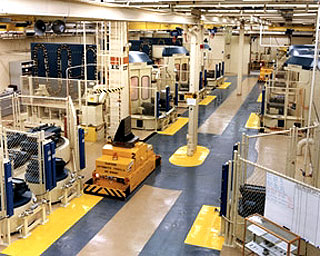
When it comes to saving money on production costs, you have to look at all of the areas that are costing you money. Are you paying a large amount of money to the employees for their work? Do you have a lot of problems happening with the production line thanks to the way it runs? How about the way the machinery works? Are you struggling to keep the machinery timing working to the customer demands? Some companies have found that the costs of manufacturing your own products can be too expensive. Outsourcing your manufacturing is a great way to save money and you can do this with a good plant to trust to create your products. Some companies like to use offshore manufacturing where others prefer to keep the manufacturing within the states.
Lean Is Tool Based
Lean manufacturing is a program that aids in reducing waste and improving the overall productivity of your company as long as you commit to it and help your employees to understand how it works. Properly training them in lean is an important step in the lean process. You need to be able to look at what type of lean tools are available and to help you figure out methods in which you can help your employees to feel comfortable with lean so they are able to understand it and to use it daily. Lean is not a short term solution, it is a system that you need to commit to on a daily basis and to have it become the standard for your company.
Keeping The Handling Time To A Minimum

Do you find that you waste a lot of time? When you create a product you may often go over the details multiple times, which cuts into production time. It is also common to see people having a hard time getting products delivered in a timely manner as you just waste too much time on little things with the company. Handling time refers to a number of different areas with the company. If you are not reducing the handling time, you are wasting your time and money as well as the customer's time. How can you find ways to control handling time so you aren't wasting things?
How To Improve Production And Company Process

Are you looking into what type of production problems your company is currently facing? What can you do about these issues and how can you find a way to contribute to higher levels of productivity? It all varies based on your industry and how many products you are creating each month. It is important to look at everything from the training process of the company to the machinery and how it aids in helping employees to do their jobs properly.
How Six Sigma Helps To Cut Costs

Just about every industry is using some type of quality improvement program to help them in controlling waste and having an organization that is productive. Six Sigma is one of the most popular programs out there. Developed by Motorola over 20 years ago, Six Sigma has been able to save companies billions of dollars through the detection and elimination of wastes. With Six Sigma you are able to have control over the manufacturing process and many other areas of your business where you may be simply throwing money away.
Can A Lean Consultant Help You?
What can a lean consultant do? Hiring a lean consultant is a great way to reduce a lot of the tension and resistance that people start having towards lean. Usually the resistance will occur because people just do not understand it and they are not sure of what is happening and why you want to make changes. People are naturally resistant to change and helping people to overcome that last little hurdle that comes with the introduction of something new can be done but it may not always be easy to do by the management. You need to consider looking at what your lean consultants can do as they often deal with training and they are used to resistance in every form.
What you need to start a manufacturing business

If you are considering starting a manufacturing business then it is important to keep in mind that there are many different factors to consider. While the field of manufacturing is diverse and potentially lucrative it can also be complex industry to break into. This means that any potential manufacturing business owner needs to carefully consider how they are going to set up their business. It cannot be stressed enough that the success of your manufacturing business will depend heavily on the amount of time you are willing to commit to the planning phase. How effective you are with your business planning will play a big part in whether your business starts out on a solid base.
What Is Knowledge Management
When it comes to running an effective manufacturing plant it is important to focus your efforts on finding ways to improve your processes. There are many different programs and things out there that you can use in order to create better products but one of the best tools you can use is a system known as knowledge management.
Using The 3P System To Exceed Customer Standards
Are you using a lean manufacturing system to keep your company moving along properly? Lean manufacturing is an effective way in which you can reduce or eliminate defects along with being able to improve the overall company. Lean experts use a number of tools that aid in reducing defects and other things. One of the systems that is commonly used is known as the 3P system. The 3P system involves using the same tools as Kaizen to aid in identifying the wastes that have occurred due to product development and then focusing on improvement in the process design as well. If you are able to reduce the errors quickly, you will reduce the money that is wasted.
The Challenges To The 5 S System

Anyone that is looking to find ways in which they can improve their manufacturing plant must be able to focus on understanding the challenges and things that you will face. There are many different parts of the 5 S method that can provide for the overall benefit of the company but you need to understand the employees and how their commitment to the program can make all of the difference.
Steps to take to improve manufacturing production output
If you own a manufacturing business then you know that the amount of production that you do is crucial to the long term profitability of your manufacturing business. The amount of product that you are able to produce efficiently will be directly tied to the amount of profit that your business will make. In addition, it should not be overlooked that the speed of production also figures into the overall profit as well. This is why manufacturing business owners are always looking for ways to improve their production output. Here are some steps to take to improve manufacturing production output-
Reducing Bottlenecking With Quick Changeover

One of the biggest issues that arises when you are dealing with any type of manufacturing plant is dealing with the bottlenecking. When you have bottlenecking concerns it can lead to a number of issues related to delays in your manufacturing line to a high number of waste occurring as you end up dealing with excessive materials that are not properly used or materials that are damaged in the manufacturing process. There are so many different options that you can use when you are looking for ways to reduce bottlenecking. One of the ways in which you can reduce issues is known as quick changeover. Changeover will be able to help you to reduce bottlenecking as you are able to manage the high amount of manufacturing that occurs.
How you can make your manufacturing business safer

Most manufacturing businesses have a certain degree of risk involved in them. This means that employees who work in manufacturing are often exposed to dangers that go far beyond the job descriptions of most workers. Manufacturing business owners need to make sure that they are making safety a priority in their business. If there are accidents and injuries on the job it can cost your manufacturing business a lot of money. In addition, if your workplace has a lot of injuries and accidents it can have a trickle down effect on your other employees who may be more focused on their safety rather then on doing their jobs. This in turn will lead them to not be working at their highest potential. However, the good news is that there are many different things that manufacturing business owners can do in order to make their businesses safer. Here is what you need to know about how you can make your manufacturing business safer-
How to revitalize your marketing by thinking outside of the box
Many times business owners will get stuck in the same rut when it comes to their marketing. If you are a business owner who is looking to revitalize your marketing plan it may be time to consider some ideas that are "out of the box". Keep in mind that these unusual ideas are not all that different but will serve as a way to attract the attention of your target market in a new and different way. Business owners who try these new marketing promotions often report that they feel more excited and energized about what they are doing. Here is what you need to know about how to revitalize your marketing by thinking outside of the box-
How to reduce product defects in your manufacturing

Successful manufacturers understand that effective manufacturing is done with the lowest rate of product defects. Having a high rate of product defects not only cost you money but also time since the product defects will need to be removed from the production process and dealt with. Product defects will either need to be recycled, fixed, or even thrown away. Because of the high cost of product defects manufacturing business owners are always looking for ways to reduce the rate of product defects. The good news is that there are a number of different ways that you can do this. Here is what you need to know about how to reduce product defects in your manufacturing-
How to reduce costs in your manufacturing business
Every business owner is always looking for ways to reduce the costs of doing business. This is especially true for manufacturing companies that often times have higher overhead costs then other types of businesses. Manufacturing business owners need to be on the lookout for ways to prevent waste of money, time, and other resources. If you fail to control these costs it could ultimately end up costing you your business. Keep in mind that controlling these costs will help to make your manufacturing company not only more profitable but more efficient, as well. Here is what you need to know about how to reduce costs in your manufacturing business-
How to market your business online
Just like almost everything else the forefront of business promotion has moved online. More and more businesses are taking their marketing online. However, even with the ever growing popularity of marketing online there are still many business owners who feel that is it not necessary. It is important to keep in mind that more and more consumers are turning to the internet to research before making a buying decision. This means that if your business does not have an online presence it may not even be considered by the very people that you hoping to attract.
How to maintain the machines in your manufacturing business

Since most manufacturing companies are heavily driven by the machinery that they use it is crucial to make sure that all machinery is well maintained. This should be a priority for manufacturing business owners. If you choose to ignore doing maintenance or feel you can't afford it you will find yourself paying more due to the extra wear and tear your machines will receive. Maintaining the machines that run your manufacturing company will save you both time and money.The good news is that there are several different tips that can help you do this. Here is what you need to know about how to maintain the machines in your manufacturing business-
How to hire the right employees for your manufacturing business
Every successful business owner understands that the people who work for them are their most valuable asset. This is especially true when it comes to manufacturing. Because the manufacturing industry is so worker driven it is crucial that you are careful about whom you hire to work for you. You want to make sure that you are hiring employees who will be as efficient as possible. This is true whether you are hiring employees with the intent to train them or you need employees who come to your business with a certain skill set. You will also need to provide the right incentives (even beyond pay); so that once you have the right employees they will want to stay and work for you. When you are able to fill available jobs with the highest quality of employees you are helping to increase the chances that your manufacturing business will be a success. Here is what you need to know about how to hire the right employees for your manufacturing business-
How to build relationships with manufacturing suppliers
One of the most crucial components of your supply chain will be the suppliers that you use. In order to be successful with the management of your supply chain you will need to be able to find suppliers who can provide you with materials that are affordable, high quality, and reliable. In order to make this happen you will need to establish a relationship with your suppliers. This can often times be challenging for many manufacturing business owners. The good news is that that there are several different tips that can help you to do this. Here is what you need to know about how to build relationships with manufacturing suppliers-
How to avoid accidents and injuries in a manufacturing workplace
Manufacturing by its very nature has a high degree of risk. This means that if you own a manufacturing company that your employees face a higher degree of risk for accidents and injuries then other workers. In addition, because of the risky nature of manufacturing you face a greater liability if an accident or injury should occur. This means that safety should be a top priority for every manufacturing business owner. Not only do you want your employees to be safe you also don't want to have to pay out for accidents and injuries that could be avoided.
How TPM Can Offer Your Company Stability
What are the issues plaguing your organization? It is likely that you are dealing with a lot of issues surrounding consistency as many companies do. Is it hard for you to be able to create the same product twice? If you find that it is difficult to create one product all the time, you need to take a look at your manufacturing line and to determine where the issues are. Some people have issues pertaining to the equipment where others have issues with the employees. You need to have a system in place that will allow you to properly understand these issues so you know what to do about them. This is where TPM can help out as the program is designed to provide you with assistance pertaining to the detection and elimination of defects. When you end up having defects, it hurts the credibility of your company. Using TPM you will also be able to focus on reducing not only waste but on the time it takes to get things done.
5 Steps To Proper Use of TPM

What is TPM (total productive maintenance) and how does it impact your organization? Using TPM your company can find a way to reduce or eliminate defects from occurring. When you properly implement TPM the goal will be to find a way to help all the employees to get on the same page to help them all have a chance to perform their job duties with the lowest defect ratio possible. When defects are down, you do not have issues pertaining to efficiency of the company and you are able to maintain a higher standard for your customers.
What you need to know to improve manufacturing workflow
If you are a manufacturing business owner it is important to know that the rate that your production process moves along is known as workflow. If the workflow is constantly being interrupted by problems and setbacks then the productivity and the profitability of the entire manufacturing business will be affected. The goal is to have an efficient and smooth workflow. When your manufacturing workflow is smoother it will also cost your business less, allow you to produce products with higher quality, and in turn make your customers a lot happier. In addition, it has also been shown that when manufacturing businesses have an efficient workflow their employees report higher job satisfaction and morale.
What you need to know about manufacturing safety
Every type of manufacturing business will have its own safety requirements. However, because of the complex and high risk nature of manufacturing it is crucial that every manufacturing business owner know what the specific safety regulations for his or her business. Every employee who works in a manufacturing company should understand what the risks are and what they can do to stay safe. This is done by the correct training and the priority that is put on safety by the manufacturing business owner. Manufacturing business owners need to realize that higher safety translates into a lower rate of accidents and lower health insurance premiums. It is simply in everyone's best interest for any manufacturing business to be safer. Here is what you need to know about manufacturing safety-
What manufacturing accounting software can do for your business
Manufacturing is a very complicated industry. Because of the complex nature of manufacturing it is a must that manufacturing business owners have the right accounting software to help them run their business. Today's accounting software has become very specialized. This means that there is a manufacturing accounting software that is right for your manufacturing business. This allows the manufacturing business owner and others in the company to use the accounting software for the specific needs of their business. There are many different benefits to using the right manufacturing accounting software. Here is what manufacturing accounting software can do for your business-
Types of insurance you will need for your manufacturing business
If you are a manufacturing business owner then it is imperative that you understand that your industry is full of risks. Because of the complex nature of manufacturing there is a great deal more risk then other industries. The use of raw materials coupled with the amount of machinery, deliveries, and employee involvement make manufacturing a breeding ground for lawsuits. This is why it is crucial that if you own a manufacturing business that you have the right type of insurance. While Workers Compensation is required by law and will give your employees some money if they are injured while at work it will not protect you and your liability. This means that you will need additional types of insurance for your manufacturing business, as well.
Obstacles to successfully implementing Six Sigma
Six Sigma is a lean manufacturing method that can help you to reduce your product defect ratio. When you are able to reduce your product defect ratio you are able to produce a product that that has a higher quality. This in turn leads to not only fewer returns but also higher customer satisfaction. However, when a manufacturing business owner makes the choice to implement Six Sigma in to their company it is crucial to understand that there can be substantial obstacles that will stand in the way. However, if you are aware of what these obstacles can be you can then prepare and deal with them long before they become a significant problem. With persistence and determination you can overcome any obstacles that you come across and successfully implement Six Sigma into your manufacturing business. Here are some obstacles to successfully implementing Six Sigma-
Manufacturing and market research
Many people assume that market research is something that only retail businesses need to do. However, if you are a manufacturing business owner you need to be aware that market research can greatly benefit your manufacturing business. You will want to use market research to discover what your customers are really looking for. When you have this information you can then make sure that your manufacturing business is giving them what they want. However, you may be surprised to learn that many manufacturing business owners choose not to do market research. This poses a real risk to your manufacturing business. If you do not know what your customers are looking for you may end up out of touch and out of business. This makes it crucial that any manufacturing business owner learn all they can about manufacturing and market research-
Issues you must consider when using Six Sigma
Six Sigma has become the manufacturing method of choice for many businesses. Many manufacturing business owners see this manufacturing method as the way to create higher efficiency in their company and create a higher quality of product that makes their customer happier. Six Sigma has been shown to successful help manufacturing businesses streamline everything within their business and enhance the productivity of the entire company. Best of all when product defects (a major source of waste within manufacturing), are reduced the entire company becomes more profitable. However, there are certain factors that you should take into account when you are using Six Sigma. Knowing what these are will help the manufacturing business owner to make better decisions regarding the use of this manufacturing method. Here are issues you must consider when using Six Sigma-
Inventory management for manufacturing businesses
How well you manage the inventory of your manufacturing business will have a direct effect on whether or not your manufacturing business is successful for the long term. Your inventory control will determine not only how healthy your cash flow is but also how healthy your manufacturing business is overall. Many times manufacturing business owners fail to realize the importance of carefully managing their inventory. However, if you fail to manage your inventory it is the same as mismanaging your cash flow. Far too often manufacturing business owners are holding on to much inventory and simply cannot get the value back. However, if you learn the basics of managing inventory you can avoid this problem. Here is what you need to know about how inventory management for manufacturing businesses-
How to write a business plan for your manufacturing business
Every type of business needs a business plan. Business owners of every type and size of business should have a well researched and well written business plan. This is especially important for manufacturing business owners. Due to the complex nature of manufacturing it is crucial that a business owner has a plan that he or she can refer to. When you take the time to research and write a business plan you are creating a more secure future for your manufacturing business. You can make sure that your business is based on facts and concrete numbers rather then vague guesswork.
How to use Total Productive Maintenance in your manufacturing business
One of the most commonly used manufacturing practices is known as Total Productive Maintenance. This type of manufacturing initiative is focused on the roles that the employees have within a manufacturing business. Total Productive Maintenance emphasizes a continuous improvement message among the people who work in the manufacturing business. Maintenance in the most basic sense is all about making sure that the machines that work in your manufacturing business are working at the highest possible level. This means that those who are responsible for the maintenance are insuring that the machinery is able to do what it is supposed to do. There are many different ways that this maintenance can be carried out. The four most basic maintenance ideas are-
How to start your manufacturing business
Many prospective manufacturing business owners quickly become overwhelmed when they are confronted by the number of decisions that they will need to make when they are starting their manufacturing business. If you want to start a manufacturing business you should keep in mind that while it will be difficult at times if you are diligent in your planning and research you can ultimately be successful in realizing your dream of owning your own manufacturing business. However, you must also understand that if you rush through the planning process you may overlook key elements of business planning that can seriously damage the chances of your manufacturing business being successful for the long term. Here is what you need to know about how to start your manufacturing business-
How to set up your production line for maximum efficiency
The basis of any manufacturing company is their production line. If you are a manufacturing business owner then it is important to understand that how efficiently your production line runs will determine your productivity and in turn your profitability. The more efficiently that your production line runs the better your entire manufacturing process will be able to work. This will result in your manufacturing business not only being able to make more products but products that have a higher quality. This will help you become more profitable as your customers are more satisfied with what you have to offer them. The good news is that while this can seem overwhelming there are many different tips that can help you to achieve this. Here is what you need to know about how to set up your production line for maximum efficiency-
How to manage the overhead costs in your manufacturing business

Anyone who is considering starting a manufacturing business needs to be familiar with the term overhead cost. There is a great deal of overhead costs when it comes to manufacturing and the savvy manufacturing business owner will carefully plan how to deal with and manage them. It is important to understand that while manufacturing overhead costs are necessary these are generally costs that do not add to the value of the product. However, these costs are essential for being able to produce the product that your manufacturing business will sell. The bottom line is that when a manufacturing business owner has a complete understanding of manufacturing overhead costs he or she will be better able to manage them and keep them as low as possible. Here is what you need to know about how to manage the overhead costs in your manufacturing business-
How to make your manufacturing business safer
Because of the nature of manufacturing there is an increased risk for everyone who works in the industry. It is imperative that manufacturing business owners take it upon themselves to make their business as safe as possible. When safety is a clearly a priority at a manufacturing business there is not only a lower rate of accidents but higher employee morale and job satisfaction. Employees will value the fact that their employer takes their safety seriously and is willing to take measures to protect them.
How to make changes in your manufacturing business
The industry of manufacturing is always full of change. There are numerous kinds of change that occurs in manufacturing from changes in the marketplace to a change in demands from manufacturing customers. Savvy manufacturing business owners know that they need to be able to respond to these changes in order to keep their business viable and successful. However, change is never easy and often time employees and others are resistant to it. They may even lack the vision of why the change is necessary. This leaves manufacturing business owners with the challenge of trying to successfully implement change into their business. The good news is that with some guidance it can be done in a positive way. Here is what you need to know about how to make changes in your manufacturing business-
How to keep your manufacturing customers happy
If you are a business owner then you know that your customers are the lifeblood of your business. This is true regardless of the type or size of your business. Many people mistakenly assume that manufacturing businesses do not face the challenge of keeping their customers happy. This is simply not true. Manufacturing businesses are no different from any other type of business in their need to keep their customers happy and buying from them for the long term. The good news is that there are specific things that you can do that will keep your manufacturing customers happy and returning to buy from your business again and again. When you focus on establishing a relationship with them that is based on loyalty, service, and trust you are securing the long term success of your manufacturing business. Here is what you need to know about how to keep your manufacturing customers happy-
How to keep your employees working at your manufacturing business
Manufacturing businesses are just like any other type of business when it comes to retaining their employees. Every business faces astronomical costs when it comes to recruiting, hiring, and training their employees. Because of this high cost everything that can be done to avoid this should be done. Manufacturing businesses should focus on retaining their high quality employees. This is especially important for all manufacturing businesses since they are so highly employee driven. Manufacturing business owners should also be aware that when they are able to keep their employees for the long term they are able to increase their productivity and the overall profitability of their business. The good news is that there is lots of ways that you can make this happen. Here is what you need to know about how to keep your employees working at your manufacturing business-
How to improve the profitability of your manufacturing business
All business owners want to make their business as profitable as possible. However, when it comes to manufacturing this can be a more difficult challenge. The more complex nature of manufacturing can pose some serious difficulties for business owners who are looking to improve profits for their manufacturing business. In addition, to the very nature of manufacturing it can also be overwhelming for manufacturing business owners to know what areas they should focus on when they are trying to improve profitability. Since most manufacturing business owners face a long list of day to day demands they may feel that this is an impossible task.
How to find raw materials for your manufacturing business
The basis of manufacturing is taking raw materials and then turning them into a finished good that can be sold for a profit. However, it is important to understand that the finished quality of the good(s) that you are producing will be directly connected to the quality of the raw materials that are used in the production process. This means that if you are a manufacturing business owner you will need to make it a priority to find the best raw materials possible for your business. Many manufacturing business owners mistakenly assume that they can quickly access the raw materials that they need. This is not always the case. You should be prepared to spend some time and effort to locate the suppliers that you will need for your raw materials. Here is what you need to know about how to find raw materials for your manufacturing business-
How to choose the right manufacturing software
The world of technology has moved into the world of manufacturing. Today, there are more options then ever before when it comes to manufacturing software. Manufacturing business owners can choose from a variety of technology options that can help them run their business in a more profitable and cost effective way. When a manufacturing business owner chooses the right software he or she will be able to increase the efficiency and profitability of their business along with the quality of the products that their manufacturing business produces. However, you should consider several different factors before you just buy the first manufacturing software program that you come across. Here is what you need to know about how to choose the right manufacturing software-
What Is The Kanban Method?
For those who wonder, "What is Kanban?"You are not alone.In the manufacturing community, Kanban is a system that is designed to meet the requirements of Just In Time Manufacturing.
Utilizing the Kaizen Method Allows Companies To Value Their Most Important Resources
Utilizing the Kaizen Method to improve your business might just be the smartest decision that any management team can make.The Kaizen Method focuses on continuous improvement while making human resources, the most important part of any company, the focal part of the process.
Using Lean Consultants To Move Forward

Are you struggling to maintain your reputation in your industry? If you have a lot of customer complaints due to the issues that are happening, it is a good idea to look into a program like Lean Manufacturing. Lean is a program that helps to boost your credibility in the right way. Using lean consultants will help to make the right difference you need. It is a good idea to look at interviewing several different lean manufacturing plants to find out which can offer the right training you need. This will help you to find the company that can adapt to your needs and will help you to save time and money while reducing wastes.
The DMAIC Method is part of Six Sigma

The DMAIC method is a part of the Six Sigma program for reducing mistakes that may lead to customer dissatisfaction in a company.It is used for modifying existing processes that may or may not have been a part of a company's changeover to the Six Sigma corporate culture.
The DMADV Method Works For New Products
The DMADV method is designed for new processes and products.As part of Six Sigma, DMADV aims at making processes as mistake free as possible so that the products that go through the process wind up defect free.It is the defect free result that drives company success as customers realize how good the product is, they will continue to return to the company for other products, and they will recommend the company to their friends.
Six Sigma Methods Help Companies Achieve Greater Customer Loyalty

Six Sigma methods include both those for improving existing procedures and those for creating new products and the procedures to make them.It also includes a large number of tools that may be used within the Six Sigma program or outside of it.
Should You Implement Quick Changeover?
Should you implement quick changeover?The short answer is "Yes."There appear to be no downsides to the idea of quick changeover.The basic idea is to be able to get a factory to make the change from one product to the next in less than ten minutes, also known as the Single Minute Exchange of Die (SMED).There are more extreme types of quick changeover that companies can consider, but making drastic companywide changes may cause anxiety in employees.By starting with a less extreme version of the program, a company can ease its way into leanness.
Reducing Waste Within Your Manufacturing Plant May Take A Fresh Set Of Eyes

When it comes to reducing waste within your manufacturing plant, it can be hard to take a step back and look at the processes and see where the waste is and where it is created.It can be especially hard when the company has undergone a strenuous waste reduction campaign.Bringing in a consulting company with fresh eyes can help with the issues of waste reduction, especially if they specialize in that area of business.
Prepare For The Cultural Change Lean Brings
When you make the decision to go lean, many of your employees may be resistant. It is common for people to get set in their ways and to worry about changes to their jobs and the company in general. It is important that management stick to the new program and to set the tone for the rest of the company. As long as management is properly involved, employees will have an easier time adapting to the changes and will make the necessary improvements.
Lean Vs. Six Sigma
When looking at which programs to adopt, some management teams may look at lean vs. Six Sigma and mot realize that the two can be compatible.
Improving Your Customer Satisfaction With Quality Manufacturing Means
Improving your customer satisfaction with quality manufacturing takes a deep understanding of what it is that customers want from your company, your products and your people.With the economy still in a slow recovery, people are looking for products that they can count on to work the first time, every time right out of the box.No one wants to have to deal with taking a defective product back to the store, or worse, having to send it to the manufacturer for repair - not only does this mean that he or she does not have the product to use, but that he or she is also out of his or her hard-earned money that was used to buy the defective product.
If You Seek Efficiency Seek Six Sigma

If you are looking for ways to boost the productivity and decrease waste at your manufacturing plant, it is time to consider using Six Sigma. Six Sigma is an effective method because it allows you to understand where you are having issues and to find ways to remove them before they are problems. If you do not fix and eliminate the problems, it is easy to see a number of issues continue to happen. You need to be able to focus on the overall improvement for your company and to make sure that you are seeking effective ways to make the company stronger.
How To Reduce Product Defects
Adopting a system that teaches people how to reduce product defects is only as effective as far as it is implemented.In for any business to be able to affect any change, the acceptance of that change must begin at the top and have several proponents throughout the organization.That means that not only does management have to endorse and walk the walk with it, but they also have to get their employees to buy into it.
How To Mistake Proof Your Plant

There is only one thing you need to know when researching how to mistake proof your plant:human error is the number one cause of defects, accidents and injuries in any manufacturing process.This does not mean that you should fire your employees now to avoid all errors.While it would be effective to do so, it would also end any sort of manufacturing processes that may have been going on in the plant.Even robots still need a human in order to do the job correctly.
How The 5S Method Improves Your Bottom Line

In order to address how the 5S method improves your bottom line, it is important to understand what the 5S method is.In essence, the 5S method is a Japanese inspired improvement of efficiency in the work place.While there is an alliterative translation of the 5S method into English, some do not feel that it gives the same meaning as the Japanese words:seiri, seiton, seiso, seiketsu and shitsuke.
How Does Lean Manufacturing Work?
A company looking to increase the profit margin while decreasing the number of hours needed to create a product may ask "How does lean manufacturing work?"Lean manufacturing optimizes flow and makes sure that nothing is done that will not show an end result for the consuming public.
Creating A Lean Culture Can Be Difficult
Every company has its own established culture; creating a lean culture that supersedes the older culture requires that companies implement a top notch education program about what changes are being made, why they are being made and what the benefit is to the employee.It is often this last stipulation that management forgets.They see the benefits to the company in greater profits, and do not realize that employees who have no share in the profits won't care if the company makes more money because they do not receive any benefits for higher profit margins.
Boosting Your Profits With Lean Six Sigma
Do you have issues with productivity? Are you finding it hard to get your employees to come to work as they deal with so many customer complaints? If you have a lot of hard times dealing with product defects and other issues, it is an indicator that you need to use an effective program like Lean Six Sigma. This method will be able to help you in reducing errors while improving the quality of your products and customer service. You need to consider an outside training firm as they will bring in the right experience you need to see a reduction in waste but also a boost in the profit margin for the company.
Boosting Your Bottom Line Means Selling More Products
Boosting your bottom line is as simple as making and selling more products.Unfortunately, no one said that it was easy.Many times, it is the selling of more products that seems to be the real problem.To do this, it takes customer loyalty, which will include good buzz and repeat purchases.
Behavior Based Safety And Your Plant

When considering creating a culture of safety in manufacturing, the question that should be asked is how can behavior based safety and your plant be intertwined?
Winning Customer Satisfaction With Six Sigma
Using Six Sigma is a great way to improve your organization as you are able to identify defects and errors that are occurring within the company. You need to focus your efforts on being able to understand the product defects that are occurring as it could end up leading to serious issues from product recalls to upset customers and other things. Using Six Sigma you can easily win over your customers with the right type of program that focuses on reducing the defects and providing them with better support and service.
What Is Required Of A Quality Control Manager?

What are you using to help improve your manufacturing plant? You need to look at all the various things that can be used in order to help you find ways to strengthen the company. A quality control manager can give you a lot of great benefits as they will be able to help you focus on creating quality and consistent products. The job of a quality control manager it to ensure that every product that is made and shipped to the customers is up to the quality standards of the company along with the quality standards of the customers as well.
Using Plan Do Check Act
When you think of lean manufacturing it is likely that you think of a program that is used to reduce or to eliminate waste. Many companies often turn to lean tools like Kaizen or the 5 S Methodology but there are many other effective tools that you need to consider. One of the tools that is uses is called Plan Do Check Act or PDCA. With PDCA you are not focused on a one-time improvement, it is a continuous improvement of your products and services. When you have PDCA become an on-going thing, it will be able to give you more control over the products that are delivered to your customers as you are able to get rid of the mistakes before they start. Sometimes the mistakes start at the beginning of the product development phase and not in the manufacturing line like a lot of companies think. As you use PDCA in the right way, you will be able to see this and you can take the necessary steps to make a difference. Let's dive into PDCA a little deeper to give you a stronger understanding.
The Waste Of Resources And What You Can Do

What is happening with your manufacturing plant? How can you find ways to eliminate waste and to create a stronger and successful organization? It is a great idea to look at all of the resources that you have available for your company. Waste is found just about everywhere and you must be able to learn how to identify it and to find a way to prevent it from occurring again and again. The waste in any company is not only with the way in which you lose money but with time as well. Many organizations only pay attention to the waste of their resources and they fail to pay attention to the waste that is occurring when you have employees that are standing around or employees that have to move a lot just to find what they need.
The Risks And Rewards Of Lean Manufacturing
Are you dealing with a lot of struggles pertaining to your organizations waste level and other things? What can you do about all of the waste that you are struggling with? How about using a program like lean manufacturing? This is a great way to understand the different types of wastes that you are dealing with but also to help you create a program that will allow you to create consistency along the company. Even though lean has a lot of great use, there are some risks that are part of lean manufacturing.
The Goals To Internal Control

Using a program like internal control can help you to improve the structure of the company. You will be able to consider the authority of the company and to find ways to improve your goals but also to find ways to create happier employees by using a system that organizes the company correctly and can aid in monitoring the progress of your staff as they do their jobs. Management will need to use a series of stages that aid in setting goals so you will be able to prevent fraud and other things from occurring within the company. It also will help in monitoring your processes to create stronger products for the customers. What are some of the things that you need to focus on in order to create a stronger internal control program? It is important that you look at setting up a system that is reliable.
The Development Of Lean
How do you manage your organization to prevent product defects and other things? Are you using lean manufacturing to your advantage? Lean is one of the best ways to help you create a stronger organization and to give you a company that easily provide customers with better products and services. When you turn to lean you need to consider the different ways in which lean can save you money and will be able to give you an organized company that your employees are proud to work with.
Producing Better Products With Outsourcing
How can you create better products for your customers? If you take a look at how many errors and product returns you have to deal with, it will help you to see that perhaps customer satisfaction is one are to start with. Using lean manufacturing and other programs you can solve some of the issues at hand. To find out what customers are really thinking it helps to use customer surveys and feedback programs. This will allow you to focus on being able to understand what you can do in order to make your products friendly to the customers and what you can do in order to become competitive in your industry in the right way. If production costs are soaring and you just don't have the energy to keep up with the manufacturing side of your products, it could be a smart decision to consider outsourcing.
Minimize Loss With Lean Six Sigma

What can you do in order to minimize loss within your company? Having high loss will increase your costs dramatically not to mention it can kill your reputation. You have to focus on finding ways to minimize your losses within the company so you can start improving the company and keeping those costs lower. For any production company to become successful you need to consider looking into programs that can help. What about using Six Sigma? This is a program that can minimize loss well as it speeds up your manufacturing process but it also helps you to create a process that is smooth flowing and one that gives customers higher quality products and services.
Managing Risks On Your Projects
Are you dealing with a lot of risk within your company? Just about every organization out there is going to deal with it's fair share of risk but it is how you handle the risk that will make the difference. Project management is all about evaluating and dealing with risk. It helps to create a competitive working environment and you have to be able to understand how to deal with the risks that can be dangerous if they are not properly managed.
Long Term Change With Organizational Development

Creating an organization that is strong and effective is not an easy thing to do. You need to be able to understand how organizational development works as it is a systematic and planned program to providing you with an efficient organization. The goal is to create a smooth-flow of information and products to give you a higher output and happier customers. When you are able to implement it in the right way, it will impact the entire culture of the company and can easily give you an effective organization that employees appreciate working for and customers love buying from.
Implementing Lean Manufacturing Can Be Simple

There are many manufacturing plants that have been able to successfully implement lean manufacturing. It is a process that does involve a lot of energy and time but it doesn't have to be as complex as many people try to make it out to be. With the right tools you will be able to implement lean manufacturing without any problems whatsoever and you will be able to see your company start to improve.
How Do You Make A Value Stream Map?
Using value stream mapping is a great way to help you understand how your materials go from a raw good to a completed product. It is a "map" of the product so you can see where you need to make changes to things in order to create better products for the company. Using value stream mapping you will also be able to understand where you have wastes that need to be eliminated along with understanding how you can offer better things to your employees so they can become more productive. Some of the things that you can identify with value stream mapping include the following:
How Do You Get Your Six Sigma Black Belt?
When it comes to Six Sigma you need to understand how the certification program works in order to help you properly train yourself in the program. When you hear "Six Sigma Black Belt" you may be thinking of martial arts but it is a very different program! While some of the same principles apply like discipline and hard work, Six Sigma certification involves improvement of yourself but as the company as a whole. Your entire organization will need to undergo serious changes that can help you to identify errors and to focus on improving them before they lead to serious issues for the company.
How Do You Create A Lean Office?

With so many different programs out there to reduce waste, improve communication, and to create a stronger company how can you find a program that really works for your organization? You need to focus your efforts on truly looking into the programs to see what works for you, not just for the company. One program that has been inspired by manufacturing companies is lean manufacturing. What is lean and how can you implement it into your office? Lean manufacturing is a program that focuses on the total elimination of waste. This is why it can be a program that you can use to build a lean office as "waste" can be found just about anywhere.
Effective 5 S Training
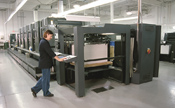
The 5 S Method is one of the most effective ways for you to organize your business and to reduce defects, errors, and other issues. With the 5 S Method you need to focus on using a training program that will be able to provide you with efficient programs but one that your customers can understand. With the 5 S Method you need to look at the way that your companies is laid out and to organize it in a way that will give you success with reducing the amount of time that your employees waste on trying to find the things that they need to do their jobs.
Driving Positive Change
Whenever employees hear the word "change" many of them will end up panicking. Change is something that every company needs to have in order to remain competitive. However employees often view change as a threat. Many of them are in a comfort zone and learning that things need to change can scare them. As managers you need to be able to find ways to implement change in a positive way instead of scaring your employees or making them concerned about their jobs.
DMAIC Project Management Tips

Are you using Six Sigma within your company? There are some key tools that are used with Six Sigma that can make it into a successful program. One of the tools that is commonly used with Six Sigma is DMAIC. When dealing with project management, this is one of the tools that will be able to help you reduce product defects and can strengthen your organization overall.
Developing And Learning New Skills
With lean manufacturing comes the ability to learn new skills. When employees are able to see how lean manufacturing can improve the company through the reduction of waste and the right type of commitment and involvement from the company, it helps them to become more productive and to learn new skills. It can often be hard to teach your employees how to learn new skills but it doesn't need to be something that is hard as long as you are willing to commit to creating a lean organization and one that is focused on driving positive change.
Creating The Foundation For Lean

Lean manufacturing focuses on the complete elimination or at least the reduction of waste. Waste occurs in many manufacturing plants but it is something that can be found anywhere, which is why lean has become one of the most popular programs used in many industries as a way to reduce waste and improve your organization. However for lean to become successful you will need to start it out with the right type of foundation. If you aren't creating the right type of foundation to start with, the chances of lean become successful are slim. The companies that are successful with lean are those that truly believe in the program but also those that really get everyone involved in the program.
Creating A Company That Solves Problems
There is no question that just about every company out there has it's fair share of problems. From poor marketing decisions to wasted products or time, you have to be able to address the problems within your company and to look for ways in which you can improve or eliminate them overall. When you are able to address the issues and to find a solution, you will save a lot of money but can also help in repairing your company's reputation as well. One solution that will help you create a company that focuses on problem solving is learning about lean manufacturing. With lean the goal is to eliminate waste and really to focus your efforts on positive thinking in order to make a successful and productive organization.
Can Lean Work Anywhere?

Have you heard about lean manufacturing? It is something that has been in existence for awhile and many companies are able to find that it is a great way to reduce defects and can help them to create a stronger organization overall. However can lean work within your company? You need to know how lean works in order to know that it will become successful and can give you the right type of results you are looking for.
Why Should You Implement Lean?
There are a number of beneficial manufacturing programs out there that can provide you with ways in which you can reduce waste and eliminate defects and give your customers better products and services. If you are considering lean manufacturing, you are on the right track toward creating a company that really puts it's customers needs first! Using lean you can easily figure out ways to make your company more successful and to give your employees an organization that they appreciate working for.
What Is The DMAIC Process

What methods are you using to provide your manufacturing plant with the right type of efficiency and productivity? You need to seek out programs that can aid in helping you to reduce wastes and to keep your costs down. The DMAIC process is used by many organizations as a way to help in improving your existing processes but to help you create better products and offer quality customer service. When you implement DMAIC you may find that your entire company becomes easier for you to manage and that it is much easier for you to be able to provide your customers with the products that they have always been seeking.
What Are Muda, Muri, and Mura?
Are you seeking to implement lean manufacturing to your organization? A number of manufacturing plants have already implemented lean as it's a great way to eliminate wastes and to provide higher quality products to your customers. When it comes to lean manufacturing you need to be able to consider the steps that are necessary in order to achieve success with it and to understand the tools that you need to use to identify wastes. Muda, Muri, and Mura are part of the 7 wastes that have been identified by lean manufacturing and they need to be eliminated from your company in order to have success. Let's look at each of the various wastes in greater detail.
Using Poka Yoke Or Mistake Proofing
Dealing with manufacturing mistakes can cost your company hundreds or thousands of dollars a year. It is important to look into programs and tools that will help you to reduce the mistakes or to completely eliminate them. Human error may be causing a great deal of your manufacturing defects but in the majority of cases it may also be caused from the machinery or faulty planning. When you look for ways in which you can implement a new system that deals more with preventing errors, you can easily save money and reduce waste. This is where Poka Yoke comes in as it's tool used in manufacturing plants to help employees learn how to identify wastes and errors and to suggest ways in which to improve. If they are able to identify the issues and improve them quickly, it will save money and huge headache for everyone.
The Different Tools of Six Sigma
When it comes to running a successful manufacturing plant you have to look at all of the programs and options that are available to help you out. Six Sigma is one of the most popular programs used in order to help reduce your defect ratio and provide customers with higher quality products. Motorola developed Six Sigma with the goal in mind to get the error ratio down to 3.4 per million opportunities. Having a lower defect ratio is not only beneficial for your bottom line but it makes the customers happier as well since they will not need to wait around for you to ship them a new product to make up for the defective one. Having a better reputation in your industry is a great way to continue growing the company but it will be hard for you to do this if you do not understand how to use Six Sigma in the right way. The common method of Six Sigma is known as DMAIC. This method is defined as follows:
Steps To Create Proper Kaizen Events
When you run a successful manufacturing plant you will have a low defect ratio, reduced waste, and happy employees! How can you achieve all of these things? This is not something that can happen overnight as it does take a lot of hard work, time, and effort to do. One way in which you can get started is by implementing Kaizen. What is Kaizen and how can it help to improve your company?
Six Sigma Laws You Must Obey
How does Six Sigma work in giving you better products and creating an efficient manufacturing plant? Six Sigma is one of the best programs to use in order to streamline your manufacturing plant and to find ways to enhance the performance of the entire company. Eliminating defects and having a defect ratio that is 3.4 per every million opportunities can be achieved when you do take the time to properly implement Six Sigma.
Six Sigma Goals That You Need To Follow
Have you taken the time to research Six Sigma properly and do you understand how to set goals to create a successful organization? Creating Six Sigma goals will allow you to understand proper methods of how to implement quality control but also to help you in being able to create better training opportunities and other things. Six Sigma training is important to creating the correct outputs for the company and to allowing you to create an organization that is focused on teamwork.
How To Sustain 5 S
There are many different programs to aid in giving you more control over your manufacturing plant. One program that has been successfully implemented by several companies is the 5 S Method. The 5 S Method will allow you to make improvements to the company and to maintain these improvements with the right type of tools and leaders. 5 S is a great program to organize the company and to help you become more productive and efficient. The one thing you need to consider is how you will sustain it. Some companies like what the 5 S method can do and they implement it and follow it for a little while but then fall right back into their old habits. How can you avoid becoming one of these companies and instead focus your efforts on successful implementation of 5 S and then maintaining it? Here are some tips that will help you in sustaining 5 S so you can bring out the right results for the company.
Easier Ways To Implement Change
Dealing with change is not one of the easiest things to do when you are focused on implementing it properly. The problem that many companies find with change is that their staff members are resistant to it and they have a hard time understanding how easy it can be to bring success to the company and they only see how it impacts their job. People are naturally resistant to change as they are comfortable with the familiar. Change is a natural part of any business and you need to make sure that you are doing all that you can in order to bring success to the organization. How can you implement change effectively in order to help your employees appreciate it. Here are some tips that can help you out.
Business Growth Through Lean Implementation

Growing your business is something that you do need to focus on. How can you find ways to easily grow your business without needing to spend a fortune to do so? Business growth can occur when you turn to programs like lean manufacturing. This is way to help you save money and time by eliminating wastes and increasing the efficiency for your organization. Finding a way to increase productivity by using a program that helps you to streamline everything will allow you to offer higher quality products to your customers.
Barriers That Hinder Your Progress With Six Sigma
When you are dealing with Six Sigma, you have to be aware of certain barriers that can cause you to have problems with proper implementation. Six Sigma is a program that allows you to reduce your defect ratio so that your customers are not getting products that have a great number of issues and likely need to be returned. Six Sigma roadblocks can get in the way and may make it difficult for you to be able to move forward with the program and reduce costs while reducing defects. There are some issues with employees mindsets that can get in the way as they often become resistant to change and this can lead to serious problems for you when you are trying to make Six Sigma progress.
5 Steps To Lean Implementation
There are so many different things to consider if you are wasting a great deal of money at your manufacturing plant. How did your costs get so out of control and what can you do about fixing these costs before they bankrupt your company? Effective implementation of a program known as lean manufacturing can be one of the best things for your organization. You need to look at different ways in which you can focus on implementing it successfully so that you can reduce costs, eliminate wastes, and to have a productive company overall. Lean manufacturing is not only successful with manufacturing plants but it has been successful with many other organizations as well from businesses to companies in the healthcare industry. Here are some of the steps that you need to follow in order to implement lean successfully into your organization:
How to start a manufacturing company
If you are planning on starting your own manufacturing company you may be overwhelmed by the number of things that you need to consider. It can be difficult to make all of the right decisions to get your manufacturing company started but if you take the time to do your research you are much more likely to be successful as you are building your company. It is crucial that you understand that you will need to take a great deal of time planning. The bottom line is that how well you plan will largely determine how successful your manufacturing company ends up being.
How to make your manufacturing company more profitable

Every business owner is looking for ways to make their company more profitable. This is especially true for manufacturing business owners. However, this can be a difficult task when you consider the complicated nature of manufacturing. Many manufacturing business owners become unsure of the areas they need to focus on. With the constant day to day demands of running their business they can often feel too overwhelmed to look for ways to make their manufacturing business more profitable. This can be a serious mistake. Keeping costs down and making sure your manufacturing business is as profitable as possible will be the major factors as to whether your manufacturing business succeeds for the long term. Here is what you need to know about how to make your manufacturing company more profitable-
All about manufacturing overhead
If you are planning on opening a manufacturing company then it is important to understand that there are significant overhead costs that you will need to take into account. This can be difficult to figure since these types of costs do not add value to the product directly but are required for the production process to be successful. In addition, manufacturing overhead can also slow down the production process because it can take up time or other resources. However, by having a clear understanding of what manufacturing overhead is and how to control it you can improve and streamline your production process. Here is what you need to know about the manufacturing overhead-
Ways to make your manufacturing business safer
The very nature of manufacturing can pose some risk to everyone who works in the company. Manufacturing business owners need to take it upon themselves to make the health and safety of everyone that works for them a priority. When safety is a priority within a manufacturing company not only does it reduce accidents but it fosters higher employee morale as the staff understands that they are valuable to the company.
Tips for reducing product defects
The major way that most manufacturing companies are looking to improve their production process is by reducing product defects. When there are defects in the products that you are producing you have to spend valuable time and money finding them, pulling them out of production, and dealing with them. This is a cost that manufacturers want to avoid. The good news is there are things that you can do that will greatly reduce the chances of product defects happening. There are various lean manufacturing programs that can be implemented within your company. These programs will help you to not only reduce product defects but increase productivity, lower costs and generally save the manufacturer money. Besides using lean manufacturing programs there are other tips, as well. Here are some tips for reducing product defects-
Tips for quality shipping
Shipping is an important component of the manufacturing process. Whether you are looking at the goods that are being shipped into your facility or the shipping you do to get your customers their orders, you want your packages to arrive safely, unbroken, and in the highest quality packaging. Keep in mind that when goods either arrive at your plant or your customers office and are broken or in disrepair this not only costs you time and money but can damage your reputation, as well. However, the good news is that there are tips that can help you. Here are some tips to use for quality shipping-
Tips for creating a better workflow
If you are the owner of a manufacturing company it can be difficult to focus on everything that needs to be done on a daily basis. Many business owners find that they become overwhelmed with the demands of simply running their business on a day to day basis. This often leads to certain critical tasks being left undone. One of these tasks can be creating a better workflow. Many business owners simply assume that if production is happening then workflow must be optimal. This is not always the case. If your production line is not moving as smoothly and efficiently as possible it can be seriously affecting your bottom line without you even knowing it. Creating a better workflow means reducing hidden costs that can be affecting your overall profitability. Here are some tips for creating a better workflow-
The basics of manufacturing
Prospective business owners who are looking to open a manufacturing business can find it a complicated process. There are lots of different factors that have to be considered and things that have to be dealt with if you are getting into manufacturing of any kind. This is especially true if you will be manufacturing several different products. You will need to take into account-
How to set up a small manufacturing company
Many people assume that if they are going to get into manufacturing they need to be able to set up a million dollar business. However, this is not necessarily true. While a smaller manufacturing company will have to work harder then its larger counterparts it is possible to be successful with a smaller scale of manufacturing. It is important that you make sure that your company focuses on making the right products and has a highly effective distribution chain to send out your products. The bottom line is that with some creativity, resourcefulness, and planning you can be successful with a small manufacturing company. Here is what you need to know about how to set up a small manufacturing company-
How to retain your manufacturing customers
There is perhaps no other type of business that is so customer driven. In other words if you are a manufacturer and you can't satisfy your customers you will soon find yourself out of business. However, even with the current difficult economic conditions there is no reason that any manufacturing business has to lose clients. You can still provide your target market with the high quality of products they expect from you even while you are cutting cost. The bottom line is that it is crucial that every manufacturing business figure out how to retain their customers. Here is what you need to know about how to retain your manufacturing customers-
All about maintenance and manufacturing
Most manufacturing companies find that maintenance is a great deal of what has to happen everyday. Most manufacturing companies find that they have to make maintenance a high priority if they want to keep their plant running and producing. In addition, savvy manufacturing business owners know that if they want to keep repair costs as low as possible then regular maintenance is a must. There is no denying that for any equipment to last longer (no matter what that is), maintenance has to be done on a regular basis. For manufacturing companies that do not make maintenance a priority they soon find that they pay for it in more wear and tear on equipment and higher repair and replacement costs. The good news is that there are lots of easy ways to set up a maintenance program and stick to it.Here is all about maintenance in a manufacturing setting-
All about lean manufacturing
For manufacturing companies that are looking to cut costs, increase profits and productivity there may not be a better process to use then lean manufacturing. In addition, studies have shown that manufacturing companies that use lean manufacturing have a much higher rate of satisfaction among their customers. Manufacturing companies also find that lean manufacturing can not only help them produce a much higher quality of product but reduce waste within their organization, as well. Here is what you need to know about lean manufacturing-
What you should know about TQM
Total Quality Management (TQM) can be defined as the management of procedures that are designed to produce quality products and services. Manufacturing companies are turning in great numbers to using TQM. There are a number of different components that make up TQM, including:
Types of manufacturing
Manufacturing is a vital and growing industry. While most people assume that manufacturers have to be large multi million dollar corporations those same people would be surprised to learn that manufacturing is also filled with lots of small, thriving companies that are producing a high quality product. Many customers are turning to small manufacturers since they are often better at being able to produce a more personalized and specialized product. This is often a product that a larger manufacturer cannot make as profitably. This is referred to as niche manufacturing which allows smaller manufacturing companies to operate in areas that have little or no competition from larger companies.
What does manufacturing software provide?
In order to provide your organization with the best possible production you need to use some type of manufacturing software. Strong manufacturing software will allow you to remain competitive as you are able to understand growth strategies along with other things that help to point the company in the right direction. You will need to use software to coordinate machines and other things in order to result in the correct manufacturing business system. With good software you can save yourself time but you also have other benefits as well like accessibility and how easy they are to use. It helps you to base your business decisions on correct information and will allow you to focus on the priorities for the company and you can actually work on increasing sales and other things. When the company is organized correctly it will end up allowing you to boost your revenue and will help you with customer loyalty as well. Companies with fewer product defects and recalls always win over more customers and this really helps with your profits.
Understanding Hoshin Kanri
There are a number of methods used to improve production and to contribute to a stronger manufacturing plant. One method that many companies are using is known as Hoshin Kanri. What is Hoshin Kanri? It is a planning method that is used to help an organization define short-term and long-term objectives. Depending upon your company these objectives could be financial in nature or they could be about reducing waste or other things. For most organizations Hoshin Kanri will provide objectives that are aimed at a 2-5 year period.
The popularity of Business Intelligence
There are a number of programs that you can use in order to focus on improving your manufacturing plant. Business Intelligence is a popular method because it helps you to work out an intelligence strategy for the company, giving you a strong edge above your competition. How does business intelligence work and how will it improve your business?
Strategic implementation of knowledge management
For any manufacturing plant to run effectively it will take the right type of knowledge and hard work. Knowledge Management is a process that involves the right knowledge in order to enhance the performance of the organization. In short, knowledge management is a way of collecting all the knowledge within the company and evenly distributing it to everyone. The goal of this is to help everyone be on the same page and to then work collectively in order to make necessary improvements to the company to increase profits.
One piece flow manufacturing
Every manufacturing plant has different goals and things on their list in order to keep the company running effectively and to ensure that customers are getting their products in a timely manner. Each company has a method or program that is used to help increase profits or to reduce wastes for the company. In order to achieve all of the various goals you have, you need to have some type of manufacturing program that can be used such as lean manufacturing or Six Sigma. With lean manufacturing your organization will work on things like work flow and finding ways to improve the efficiency of the company while eliminating or reducing waste altogether.
Manufacturing mistakes that are costly
There are a number of wastes and expenses with manufacturing facilities. Some do the costs out there can be so expensive that they can literally wipe out your ability to make a decent product for your organization. It is vital that you understand these costs and to look for ways in which you can focus on improving them so you are not losing thousands of dollars a year.A single mistake on a production line can end up leading you to have serious issues. The products could be shipped out to all of the customers, and they end up dealing with issues and then you have a messy PR problem and product recalls to deal with. Companies need to look for software programs and other things that can help you to avoid costly manufacturing mistakes that should not be happening. If you miss a mistake and it costs you thousands or possibly millions, it can take years to make the money back plus dealing with a damaged reputation.
Implementing a flexible manufacturing process
With all the various programs out there, it can be tough to find one that will help you to keep your lines of production flowing properly. Using a flexible manufacturing line is a great way to adjust the process so you can see multiple products produced and to have timely deliveries to your customers. There are some manufacturing plants that use a single-line process where only one product is created at a time where the flexible manufacturing process comes down to moving or reconfiguring the process so you can create several products on the same line. Changes occur that may not be anticipated or you could have some that occur due to design. This way you can satisfy all the needs that the company has with just a few simple changes in the configuration.
How training within industry compares to other manufacturing methods
There are several programs used in manufacturing in order to improve the company and its products. One of the common programs talked about is called training within industry or TWI. This was created by the government as way to help manufacturing plants when they were losing countless employees to World War II. How does training within industry work? There are 5 things that a supervisor must understand in order to use training within industry correctly:
Tips for starting a manufacturing company
If you are dreaming of becoming an owner of a manufacturing company you may be overwhelmed with the number of decisions that you will need to make. It is important to understand that the manufacturing industry is fairly complex so you will need to make some careful considerations before starting your own manufacturing business. Because of this you will need to spend a large amount of time on the planning process.
The pros and cons of outsourcing manufacturing
If you are the owner of a manufacturing company you may feel that you are overwhelmed with the day to day demands of running your business. It can be hard to see how you will even begin to accomplish all of the things that you need to do while still keeping your customers happy. If you even have time to stop and read your business goals you may see them as unattainable due to the demands of running your company. One solution that can help with the ever pressing demands of manufacturing is using outsourcing.
The basics of manufacturing

Setting up a manufacturing business can be a complicated process. If you are interested in starting this kind of business then you need to take the time to educate yourself about everything that has to do with manufacturing. There are many different challenges when it comes to manufacturing but if you have a basic knowledge of the process you can successfully deal with those challenges and make your manufacturing business a success. Here are some of the issues that you will need to deal with when it comes to the basics of manufacturing-
Great Tips To Help You Re-Energize Sales
Are your sales slumping lately? What can you do to re-energize your sales and bring about loyalty from your customers again? Your sales need to be at a certain level in order for you to make a profit and to have a hope of expanding your company in the future. With each new customer you have comes the chance to make them into a long-term customer that can provide you with consistent sales. You need to look at your company and what you are doing to market to your customers and to figure out what is working and what needs to be changed in order to give your company a chance to bring in new customers but also to increase loyalty with your existing customers. Here are some tips we created that will help you to re-energize your company's sales:
Supply chain management in manufacturing companies
If you are the owner of a manufacturing company it is crucial to understand that how the supply chain within your business is managed will directly influence the long term success and even survival of your business. Supply chain management is crucial for manufacturers who must carefully consider every aspect of the products they product. Because of the importance of supply chain management many manufacturing companies have put a supply chain management process into place that will help them to operate their supply chain as efficiently as possible while still keeping their customers happy and production costs low. Business experts explain that there are 3 different levels within the process that many manufacturers will need to focus on. These levels of supply chain management are-
Supply chain management in manufacturing companies
If you are the owner of a manufacturing company it is crucial to understand that how the supply chain within your business is managed will directly influence the long term success and even survival of your business. Supply chain management is crucial for manufacturers who must carefully consider every aspect of the products they product. Because of the importance of supply chain management many manufacturing companies have put a supply chain management process into place that will help them to operate their supply chain as efficiently as possible while still keeping their customers happy and production costs low. Business experts explain that there are 3 different levels within the process that many manufacturers will need to focus on. These levels of supply chain management are-
Supply chain management in manufacturing companies
If you are the owner of a manufacturing company it is crucial to understand that how the supply chain within your business is managed will directly influence the long term success and even survival of your business. Supply chain management is crucial for manufacturers who must carefully consider every aspect of the products they product. Because of the importance of supply chain management many manufacturing companies have put a supply chain management process into place that will help them to operate their supply chain as efficiently as possible while still keeping their customers happy and production costs low. Business experts explain that there are 3 different levels within the process that many manufacturers will need to focus on. These levels of supply chain management are-
Supply chain management in manufacturing companies
If you are the owner of a manufacturing company it is crucial to understand that how the supply chain within your business is managed will directly influence the long term success and even survival of your business. Supply chain management is crucial for manufacturers who must carefully consider every aspect of the products they product. Because of the importance of supply chain management many manufacturing companies have put a supply chain management process into place that will help them to operate their supply chain as efficiently as possible while still keeping their customers happy and production costs low. Business experts explain that there are 3 different levels within the process that many manufacturers will need to focus on. These levels of supply chain management are-
Robotics in manufacturing
Robotics is becoming more widely used within the world of manufacturing. Recent studies are show that a larger number then ever of manufacturing companies are to some degree, using robotics in their production line. The main reason for this is that the use of robotics significantly reduces the payroll cost within a manufacturing company.In addition, it has been found that there is rarely a job that cannot be done by robotics that was previously being done by a worker on the production floor.
How social media can help manufacturing companies

When most people think of social media networking their first thought may not be how it can help a manufacturing company. However, you may be surprised to learn that there are many ways that manufacturers can use social media to help build their business. All too often manufacturing companies rely heavily on a single contract to keep them in business. This is serious mistake. With an uncertain economy more then one manufacturing company has found themselves scrambling to stay afloat when they lose that single contract. It is important that every business (manufacturing or not), be working on attracting new clients. This is where social media networking can work for them. Here is what you need to know about how social media can help manufacturing companies-
What you need to know about manufacturing trends
Every manufacturer needs to stay current with the trends that are in the forefront of manufacturing. Knowing what the trends are in the manufacturing world will help you to keep your manufacturing business on the cutting edge. In addition, when you stay educated about the current trends in manufacturing you will be able to have a clearer understanding of the economic conditions that could be affecting your business. Keep in mind that if you fail to stay current with manufacturing trends your competition will most likely not be making that mistake. When your competition has information that you do not they might be better prepared to handle economic changes and leave your business lagging behind. Here is what you need to know about manufacturing trends-
What are manufacturing standards?
If you are going to measure something then you use a standard measurement. In the manufacturing process there are certain standards that need to be adhered to. These can be both standards of operation and management. It is important to keep in mind that these standards will be applicable to all manufacturers no matter what type of manufacturing they do or the size of their company. Many business owners have made the mistake of thinking that these generic standards do not apply to them and they are wrong. Manufacturing standards apply to all public, private or even government companies.
Tips for retaining your manufacturing customers
Every business succeeds or fails on the basis of whether or not it can keep customers happy. This is especially true for manufacturing companies that must be able to supply their customers with their ordered products on a timely and prompt basis. Business experts stress that despite difficult economic conditions manufacturing businesses can still retain their customers. Even though many businesses are scaling back on what they order manufacturers can still find ways to keep their customers coming back to purchase more. Here are some tips for retaining your manufacturing customers-
Tips for quality control in manufacturing
Whether you are making your own products or using another company to outsource your production it is crucial to insist on the highest level of quality control. The bottom line for achieving the highest standards of quality control means to set a standard as to where you want your products to be and then work to meet those standards. When there is a lack of quality control within a manufacturing business there begins to be a high rate of product defects and other problems that arise. Manufacturing businesses need to do everything they can to avoid having to do product recalls. Not only are product recalls very expensive but they can actually damage the reputation of your business for a very long time. In addition, when you practice the highest standards of quality control you are able to prevent problems from burdening your business and causing additional waste. Here are some tips for quality control in manufacturing-
The benefits and disadvantages of using robotics in manufacturing
Manufacturing companies are turning more and more to the use of robotics. In fact, studies show that the majority of manufacturers use robotics to some degree in their production process. This is mostly due to the fact that robotics has been found to be a cheaper alternative to using humans. Robotics has also been found to be a fit for almost any job that was previously held by a human on the production line.
How to set up your manufacturing line to maximize efficiency
The efficiency of any production process is the biggest indicator as to whether your manufacturing business will make money or not. If a manufacturing business is able to maximize their efficiency then they will be profitable however, if they cannot achieve this they may soon find they are closing their doors. This makes it crucial for any manufacturing business to always be looking at how they can better produce their product. Here is what you need to know about how to set up your manufacturing line to maximize efficiency-
Factors for effective manufacturing
If you are looking for a manufacturer to make the products that your company sells there are certain factors that you should be looking for. These factors are indicators that you have found a manufacturer who is using effective manufacturing. You want to take the time to carefully research any manufacturing company that you are considering working with. When you choose a manufacturer that adheres to the highest standards you are much more likely to end up with a product that is more profitable for you to sell. Here are some factors for effective manufacturing-
Should you use DMAIC or DMADV?

There are many different strategies that can be used in order to increase productivity and to cut wastes for the organization. One of the ways in which you can do this is by looking for a program that can help you like Six Sigma. DMAIC and DMADV are two methods that are associated with Six Sigma and will be able to help you increase productivity and to cut wastes for the company. The problem that you might run into is figuring out which method to use and how you can focus on creating a stronger company. Let's look at DMAIC and DMADV in depth a little more so you can get an idea as to how they will impact your organization.
Achieving Six Sigma

When it comes to running a successful manufacturing plant, one of the best things you can do is to look into a program that will be able to help you reduce defects and increase productivity for the company. One of the most common programs that is used to achieve a low defect level is to use Six Sigma. Six Sigma was created by Motorola in the late 1980s as a way to reduce defects and to improve the quality of the products that are sold by the company. Motorola has claimed that Six Sigma has been able to give them a savings amount of more than 17 billion dollars. With Six Sigma working so well for Motorola, it has inspired many other organizations to join in and use it to save money and provide their customers with better products and services.
What types of careers are around in manufacturing?
There are so many various careers in manufacturing, which finding a job can be a simple process if you choose the right sector. Maybe you don't actually want to work on equipment or in production? You can always learn how to become a Six Sigma or Lean Manufacturing consultant. This will allow you to branch out to manufacturing companies and train them on how to be safe along with reducing wastes and improving the overall efficiency of your organization.
Start profiting from your manufacturing business

Everyone that goes into business wants to make money however not everyone has the right type of skills to actually make money. The supply chain is where you need to look in order to create a smooth-flowing organization. You can create strategic partnerships by improving your supply chain and you can also find excellent managers as your employees stand out and start showing you their skills and talents. Various things will play into the ability to become profitable but if you can start to learn what these things are and you can start using them correctly you will make money. Here are the different areas where you need to devote your time:
Manufacturing business valuation
If you are in the business of buying and selling companies, you should know all about business valuation. What is manufacturing business valuation and how does it pertain to the buying and selling of companies? It comes down to getting the correct value for a company, allowing you to buy or sell for the best possible price.
How to find manufacturing equipment online
The internet brings about so many different opportunities for businesses that you may not have considered it for finding manufacturing equipment online but it actually poses a number of opportunities. Like any other company, leasing companies are also online and they will help you to get the right manufacturing equipment you need for your business to become a success. Finding the right equipment for your company will either help you to become a success or it will lead you in the other direction, which no one wants! Fortunately there are literally hundreds of industrial equipment suppliers that you can find online and will all be able to provide you with a quote and hopefully with the equipment you need to succeed.
Finding a way to be successful as a small business manufacturer

A small business manufacturer doesn't have all of the same benefits as the "big boys" do but you can easily make a large dent in your industry by choosing to manufacturer the right products and getting on board with the right distributors to send out your products. When you get in touch with the right people for your company, you will be able to succeed and to make your mark in your industry.
Continuous improvement for manufacturing companies
When an entire company starts working together as a team, it will allow everyone to share responsibilities and to take control over the future of the organization. This methodology is often referred to as "continuous improvement" as everyone wants to improve the quality of the products that are manufactured and also improves the overall performance of the company. With continuous improvement, you often see a number of lean manufacturing principles that arise like Six Sigma and Kaizen. There are many other popular methods as well like the 5 S methodology and Just-in-Time manufacturing. Every manufacturing method will have it's own way of doing things to bring about change to the organization. The good news is when you are focused on continuous improvement you won't need to worry about choosing only one method, you can combine several of them to bring about the right change you need.
Basic aspects of a manufacturing business

Breaking into the manufacturing world is a tricky process. When you have a specific product you create it is usually easy but if you have several products that you are manufacturing you will have other challenges that arise. Here are some of the problem areas that you need to worry about when you are manufacturing products:
Using TQM in the manufacturing process
For several years, Manufacturing companies have been using Total Quality Management (TQM) to manage quality within their organization, for several years.The concept of quality management was introduced about 30 years ago, when manufacturers realized the importance of taking the customer's needs into account to improve product effectiveness, competitiveness, efficiency, and flexibility. TQM is a process that is used strictly for managing quality. It is important to understand that it must be a continuous way of life and a philosophy of perpetual improvement in everything that is done. It is imperative that businesses that properly implement TQM take on various responsibilities like meeting customer requirements and satisfaction.
Using Kaizen methodology to reduce manufacturing waste

One of the major problems for manufacturers is dealing with waste. There are many different kinds of waste that can be found in manufacturing. This could include but is not limited to: idle time of equipment, idle time of employees, actual wasted product, defects, recalls, shipment issues, etc. Some studies indicate that manufacturing companies waste over 70% of their resources, while those who implement Lean Manufacturing cut that percentage in half.
The advantages of custom manufacturing

Manufacturing has been around since the beginning of time and will continue to exist in one form or another for many years. While there will always be a need for manufacturing, there will always be a need for finding new and improved processes, to reduce costs and improve quality. This is where custom manufacturing comes into play.Custom manufacturing by its very nature seeks to solve many of the problems that confront manufacturers today, when they are deciding on a manufacturing method and process.
Steps to improve the quality in manufacturing
Every business of every size is always looking for ways to cut costs while still improving quality. This is no different for manufacturing businesses. When this happens, improving quality manufacturing processes can result in decreased waste, better quality products, and an overall improvement in customer satisfaction. There are certain tips that can help any business work toward quality manufacturing process improvement. To implement these tips, it is advised that businesses should develop a committee that is in charge of overseeing any quality improvements, and making sure they come to fruition. While it is best to involve the whole company if possible, in the beginning a committee can help to ensure the steps are completed, and taken from beginning to end. Here are some steps to get you started-
Safety in manufacturing
Because of the very nature of manufacturing, managers of this type of business are always looking for ways to improve safety. Safety in the workplace should always be a high priority. The bottom line is that having accidents on the job, can lead to a loss in productivity, and can cost the company a lot of money. It can also have a huge effect on how your employees perform their work. This is because if they do not feel as if they are in a safe environment, they will not perform to their best potential.
Repurposing manufacturing equipment
Many companies, of every type and kind, are looking to cut costs in whatever way they can. One way that some manufacturing plants have chosen to do so is through repurposing equipment. This can be a significant way to cut costs, especially in a volatile economy. When it comes to running a manufacturing business, cutting costs and eliminating waste are vital to keep your business profitable, for the long term. Repurposing is considered an excellent way for manufacturers to cut costs. It allows a business to take existing equipment, and, rather than purchase brand new, upgrade it so it better meets the needs, of the production process.
Logistics Management in manufacturing

Logistics management is all about measuring capacity. Capacity is defined as the capability of an object, whether that is a machine, work center or operator, to produce output for a specific time period. Many manufacturing businesses ignore the measurement of capacity, assuming that their facility has enough capacity, but that is often not the case. Increasingly manufacturing software programs like enterprise resource planning (ERP) and warehouse management systems (WMS) calculate throughput based using formulas that are dependant on capacity.
How to use DMADV in new product design

There are several manufacturing methods you can use when it comes to creating new products, or new product lines.One of these methods is called DMADV, and is part of the manufacturing process known as Six Sigma.DMADV is an acronym for the following processes:
How to save money by using Six Sigma

Six Sigma is one of the major cost savings programs that are being implemented, by many different manufacturers. The Six Sigma method promotes incorporating a method of operation, which will lower costs by reducing waste. Through the use of Six Sigma, everyone involved in the process is a winner. The manufacturer saves money, and then can produce a higher quality product. The customer is happier because he receives a higher quality product on a consistent basis, and often times the savings in costs is passed down, from the manufacturer to the consumer. The cost savings of using Six Sigma are real and are definitely attainable by any company willing to develop a Six Sigma method that is specifically tailored, to meet specific company needs, and to address existing challenges.
How to outsource your manufacturing and cut costs

In today's economy, most businesses are looking for different ways to cut down on their overall costs; this is especially true for manufacturers.Cutting down on overall costs simply means you are saving money, and increasing profitability.The bottom line is that saving money in a bad economy can sometimes mean the difference between staying in business, and having your business fail. With manufacturing businesses, one of their biggest costs is the manufacturing all of their products in one location. Many manufacturers find that they can save considerable cash by outsourcing a portion of their products.Today, many manufacturers are choosing to outsource their manufacturing overseas. Here is what you need to know about how to outsource your manufacturing and cut costs.
How to find raw materials for manufacturing
Manufacturing is the use of labor and tools that are applied in industrial production, where raw materials are transformed into finished goods. While some manufacturers use regular materials to run and manufacture their products, many of them use raw materials. This can often be a challenge when you have to figure out where to get them from. Most often, raw materials are taken from the earth, and then split into a form that can be stored, transported, and then used to produce a somewhat finished material, which is then to be used to produce something else, in a manufacturing plant. Most raw materials after having been produced naturally are sold to customers around the world.
How to use Visual Control for manufacturing process improvement
Manufacturers of every size and type are constantly looking for ways to improve their production process. Businesses that are seeking to increase production efficiency, may want to consider using visual control, as part of their Six Sigma or Lean manufacturing process. This has been found to easily and dramatically increase efficiency of the production process.
Different types of manufacturing
There are many different types of manufacturing that can be used when setting up a business. Which type of manufacturing method that is used will depend on the product, and will depend on the type of manufacturing that is being done. If you are going to be setting up a manufacturing business, or are just looking into new ways to help improve your manufacturing, you will want to take a close look at the different manufacturing theories and methods that are out there. Here is a brief overview of different points to consider when you are looking at the different manufacturing theories.You should take these points into consideration to make sure that you are getting the best out of manufacturing.
Business process management
Business process management (BPM) encompasses a handful of different process improvement strategies.All of these processes focus on reducing waste, and improving customer satisfaction. Manufacturers are implementing Business process management, in an attempt to curtail costs, and improve productivity and profits.There are several different methods that fall under the category of business process management. These include but are not limited to:
All about TQM
Many manufacturers in an effort to improve their processes are turning to Total Quality Management. Total Quality Management (TQM) provides businesses, with the ability to improve its effectiveness, competitiveness, efficiency, and flexibility in order to best suit the needs of its customers. TQM is considered one of the lean manufacturing methods. While many companies quickly catch onto the philosophy of TQM, they often struggle with the implementation of it. One of the most interesting differences of TQM (from other lean manufacturing philosophies) is that it focuses more on the needs of the customer. Businesses who are considering implementing TQM need to review their production process and consider the following questions:
All about Project based manufacturing
Project based manufacturing is very different type of manufacturing. Its differences are especially highlighted when compared to manufacturing methods such as engineer-to-order, and manufacturing-to-stock. This is because unlike other forms of manufacturing, project-based manufacturing designs a product to be a product, before the needs of the consumer are even considered. This is directly opposite of manufacturing-to-stock and engineer-to-order methods, that both focus on putting the needs of the customer first.
Potential risk areas of manufacturing industries
There are a lot of things that can go wrong when you take an order from your customers and package it and send it to them. Not every customer is able to get the best service as the products may end up broken in the shipping process or some other problem may happen. This is just one of the problems that may happen when you are working on pleasing your customers but what about the risks that can happen at a manufacturing plant?There are several risks that can happen with manufacturing industries and you need to know what type of problems may arise and it will possibly impact your company and the products that you are providing to your customers.
Options for construction manufacturing equipment
There are many organizations that depend on construction manufacturing equipment in order to create a successful products like new buildings and other things. If you are seeking to lease equipment in order to have the supplies you need to create impressive structures and other things you may be wondering where you can get access to the funds for the project? The best way is by using construction manufacturing equipment financing. This option will allow you to lease the equipment you need and to be able to actually get things done. It is an easier way to finish the job as you aren't tying up your cash flow as you would if you chose to purchase the equipment.
How to find a plastics manufacturing company

When choosing a plastics manufacturing company, there are several questions and things you need to ask the supplier and yourself in order to choose one that will be effective for your organization. It is very important to remember that there are many different types of plastics to work with and there are equally many different types of plastic products that can be created. Having a plan in mind will help you more than anything when it comes to plastics manufacturing so that you will be able to create the right type of product to "wow" your customers and help your organization get off to the right type of start. Here are some of the many questions you need to evaluate when it comes to finding a plastics manufacturer that can lead your organization in the right direction.
How plastic manufacturing works
There are many plastic materials in our homes and if you have ever wondered where they come from and how they are made, this article will help you to learn more about plastic manufacturing. There are many things that go into the process of making plastic goods, and there is a great demand and need for recycling as it does help to cut down on the number of plastic bottles and other things that start to crowd up the junkyards.
Effective tips in design for manufacturing
When you use injection molding to turn your design into a product, there are different factors that you must consider before place it.The product will need to have features and parts that will fit with your product the right way.The more effective your design on how to make the product, the more successful your product will be.To ensure that the design you have created is smooth and successful, use the tips listed below.
Creating a flexible manufacturing layout
There are always adjustments that need to be made when you are dealing with manufacturing processes. The popular style of many is called flexible manufacturing. What is flexible manufacturing and how is it able to provide you with efficient and timely production? Flexible manufacturing is a process that allows several different products to be created on a single production line. They often are not done at the same time but the machines can be changed and adjusted quickly in order to create the products that you need. Having this type of flexibility makes it much easier for manufacturing plants to take on multiple jobs that might not be as large, opening them up to a larger audience base.
Creating a flexible manufacturing layout
There are always adjustments that need to be made when you are dealing with manufacturing processes. The popular style of many is called flexible manufacturing. What is flexible manufacturing and how is it able to provide you with efficient and timely production? Flexible manufacturing is a process that allows several different products to be created on a single production line. They often are not done at the same time but the machines can be changed and adjusted quickly in order to create the products that you need. Having this type of flexibility makes it much easier for manufacturing plants to take on multiple jobs that might not be as large, opening them up to a larger audience base.
Creating a flexible manufacturing layout
There are always adjustments that need to be made when you are dealing with manufacturing processes. The popular style of many is called flexible manufacturing. What is flexible manufacturing and how is it able to provide you with efficient and timely production? Flexible manufacturing is a process that allows several different products to be created on a single production line. They often are not done at the same time but the machines can be changed and adjusted quickly in order to create the products that you need. Having this type of flexibility makes it much easier for manufacturing plants to take on multiple jobs that might not be as large, opening them up to a larger audience base.
Why is lean manufacturing so successful?

Lean manufacturing has been around for many years now and a number of companies have been able to save millions of dollars by implementing it. This brings up the question, what is lean manufacturing and why is it so successful? This article will help you understand more about lean manufacturing so you can determine if it's right for your business.
What is Lean Manufacturing?
Lean manufacturing is a production strategy that seeks to produce a high level of throughput with a minimum of inventory. This method was originally a Japanese methodology. It was known as the Toyota Production System designed by Sakichi Toyoda. Unlike the American automotive industry Toyota encouraged employees to be a part of the production process, which was vastly different from the American automotive industry.The company was considered innovative in introducing quality circles which were a group of workers, who would meet to discuss workplace improvement. Quality circle members would also make presentations to management with regarding the quality of production. It is interesting to note that the developments made by Toyota were adopted by other Japanese manufacturers but none were as successful. In the 1980's American companies began to adopt some of the processes developed by Toyota, and gave these names such as Continuous Flow Manufacturing (CFM), World Class Manufacturing (WCM) and Stockless Production.
What are measurements of manufacturing health?
There are certain key indicators of manufacturing health. Knowing and understanding these indicators is important to determine the health of your manufacturing business. These indicators when they are taken together give you an idea of how the manufacturing portion of the economy is faring. Keep in mind that although manufacturing comprises a small piece of the total economy (services and retail are larger); it is still important to the total health of the economy. Each of these measurements looks at the health of the current manufacturing sector and gives an idea of what the future will look like. These three indicators will signal important positions in the business cycle, and may give a boost or put a damper on market activity depending on their results. Keep in mind that all factors must be considered as one measurement alone, does not give a complete picture. Here are the key measurements of manufacturing health-
Types of Small business manufacturing

When considering the area of manufacturing most people are not quick to associate it with small business. So you may be surprised to learn that in the United States small business manufacturers can be found in all fifty states. There are even organizations that exist to promote small manufacturers, and to lobby government, to assist with legislation and federal programs.
Selecting manufacturing services
The manufacturing industry is filled with a number of companies that can provide you with outsourcing services. This will save you hundreds or thousands of dollars on production expenses each year. Selecting the right manufacturing services is vital to help your company become a successful organization. Whether you would like a manufacturing service for a temporary solution or a full-time solution, here are some things to consider that will help you select the right manufacturing service:
Lean supply chain management
A growing trend in the manufacturing world is the use of lean supply chain management. Manufacturers are finding that by streamlining the manufacturing process, they can bring about significant cost reduction and increased efficiency. Lean supply chain management requires businesses to examine every process in their supply chain and then identify areas that are using unnecessary resources. These resources are items that can be measured in dollars, time or raw materials. Successfully implementing lean supply chain management will improve the organization's competitiveness as well as improve their overall profitability.
How Overall Equipment Effectiveness fits into manufacturing
No matter what type of process or manufacturing operation you are involved in, and regardless of company size, you are likely to be under constant pressure to improve performance, improve quality, and increase equipment availability. OEE Overall Equipment Effectiveness provides a solution.
How to ensure quality control
When you are producing products or outsourcing your products to another company, you need to make sure there is a high level of quality control. Quality control simply means you will set a standard for where your products need to be at and then strive hard to meet those expectations. When quality control is not implemented within a plant, it can lead to manufacturing defects and other problems. Product recalls are incredibly expensive for your business and could damage your company's reputation for life. Quality control helps you avoid expensive lawsuits and other things by taking steps to prevent problems and eliminate them before they become a burden and a waste on your company.
Can you finance a manufacturing firm with invoice factoring?

Almost every business struggles with cash flow problems from time to time because their customers are slow to pay their invoices. When you are struggling to get your clients to pay their invoices, you will not have money to pay your invoices and you won't be able to take on more orders as you don't have the money to pay for the raw goods. A great option you do have is called manufacturing invoice financing
An overview to lean manufacturing
Eliminating waste and improving the efficiency of your manufacturing company should be at the top of your list. There are many different ways to help your business reduce waste and increase efficiency but the one strategy that ranks at the top of the list is lean manufacturing.